Technology Trends Transforming Waste Hauling Operations in 2026

The waste management industry stands at a technological crossroads in 2026, with innovations fundamentally changing how haulers operate, compete, and serve customers. While the core mission remains unchanged—collecting and disposing of waste efficiently—the tools and methods are evolving rapidly to meet rising customer expectations and operational pressures.
Smart operators who embrace these technological shifts are discovering competitive advantages that extend far beyond simple efficiency gains. They're building more resilient businesses, improving customer relationships, and creating sustainable growth paths in an increasingly complex market landscape.
Artificial Intelligence and Route Optimization
Route optimization powered by artificial intelligence has moved beyond simple GPS navigation to become a sophisticated decision-making tool that considers dozens of variables simultaneously. Modern AI systems analyze historical traffic patterns, weather conditions, container fullness levels, and even customer behavior patterns to create routes that minimize fuel consumption while maximizing service quality. These systems continuously learn and adapt, becoming more accurate over time as they process more operational data.
The impact on daily operations is substantial, with many haulers reporting 15-25% reductions in fuel costs and significant improvements in on-time performance. AI-driven routing also helps dispatchers handle unexpected situations more effectively, automatically recalculating optimal paths when trucks encounter delays or new service requests come in. This technology transforms reactive dispatching into proactive operational management, allowing teams to anticipate problems before they affect customer service.
Internet of Things (IoT) and Smart Container Management
Smart containers equipped with IoT sensors are revolutionizing inventory management for waste haulers, providing real-time visibility into container locations, fullness levels, and maintenance needs. These sensors communicate wirelessly with central management systems, automatically triggering service requests when containers reach capacity thresholds and alerting operators to potential equipment issues before they cause service disruptions. This shift from scheduled to demand-based collection reduces unnecessary trips while ensuring containers never overflow.
The operational benefits extend beyond simple monitoring, as IoT data helps haulers optimize container placement strategies and identify patterns in customer waste generation. Operators can now make data-driven decisions about which container sizes work best for specific locations, when to add or remove containers from routes, and how to prevent theft or unauthorized dumping. This granular visibility transforms container management from reactive maintenance to strategic asset optimization.
Mobile-First Customer Experience Platforms
Customer expectations have shifted dramatically toward on-demand service and real-time communication, pushing waste haulers to adopt mobile-first platforms that deliver transparency and convenience. Modern customers expect to track their service requests, receive automated notifications about pickup schedules, and communicate with haulers through the same digital channels they use for other services. Mobile platforms that integrate with dispatch systems allow customers to submit service requests, modify schedules, and receive instant updates about driver locations and estimated arrival times.
The transformation goes beyond customer-facing features to include driver mobile applications that streamline field operations and improve service consistency. Drivers can access detailed job information, capture photos for documentation, collect digital signatures, and process payments without returning to the office. This mobile-first approach reduces administrative overhead while improving accuracy and customer satisfaction through better communication and documentation.
Electric and Alternative Fuel Fleet Adoption
Electric and hybrid waste collection vehicles are becoming increasingly viable as battery technology improves and charging infrastructure expands across urban areas. Early adopters are discovering that electric trucks offer lower operating costs per mile, reduced maintenance requirements, and significantly quieter operation that allows for extended service hours in noise-sensitive areas. The technology particularly suits urban routes with predictable distances and frequent stops, where electric vehicles can maximize their efficiency advantages.
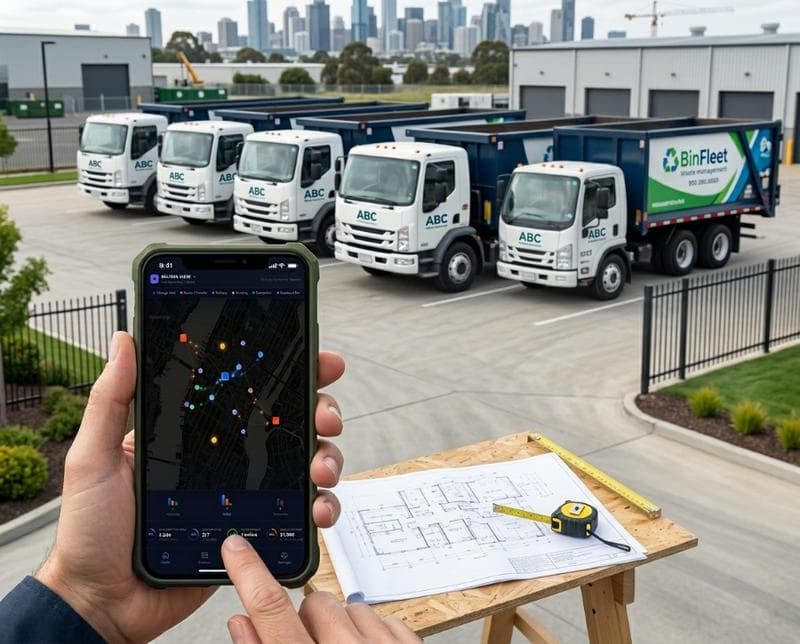
The transition requires careful planning around charging infrastructure, route design, and driver training, but operators who make the switch report improved community relations and competitive advantages in environmentally conscious markets. Government incentives and regulatory pressures are accelerating adoption timelines, making electric fleet planning a strategic necessity rather than just an environmental choice. Forward-thinking haulers are using fleet management platforms to model the operational impact of electric vehicles before making investment decisions.
Cloud-Based Operations Management
Cloud-based management platforms are consolidating previously disparate systems into unified operations centers that give haulers complete visibility across their businesses. These platforms integrate route management, customer communications, driver tracking, equipment maintenance, and financial reporting into single interfaces accessible from anywhere with internet connectivity. The shift to cloud-based systems eliminates the need for expensive on-premise servers while providing automatic updates and scalability that grows with business needs.
The operational impact extends to improved decision-making through real-time data access and better collaboration between office staff, dispatchers, and field crews. Managers can monitor key performance indicators, track service quality metrics, and identify operational bottlenecks as they develop rather than discovering problems after they affect customers. This centralized approach to operations management transforms data from scattered reports into actionable intelligence that drives continuous improvement.
Predictive Analytics and Maintenance
Predictive maintenance systems use sensor data and machine learning algorithms to forecast equipment failures before they occur, allowing haulers to schedule repairs during planned downtime rather than dealing with unexpected breakdowns. These systems monitor engine performance, hydraulic system pressure, brake wear, and dozens of other vehicle parameters to identify patterns that precede common failure modes. The result is significantly improved vehicle uptime and reduced emergency repair costs.
The technology also optimizes maintenance scheduling by considering vehicle utilization patterns, route demands, and parts availability to minimize operational disruptions. Instead of following rigid maintenance schedules based on mileage or time intervals, haulers can perform maintenance based on actual equipment condition and operational needs. This data-driven approach to fleet management reduces total cost of ownership while improving service reliability for customers.
Implementation Checklist for Technology Adoption
- Assess current operational pain points and technology gaps
- Evaluate staff technology skills and training requirements
- Research solutions that integrate with existing systems
- Pilot new technologies on small routes before full deployment
- Establish clear success metrics and monitoring processes
- Plan for change management and employee adoption support
FAQ
What's the biggest technology challenge facing waste haulers in 2026?
The biggest challenge is integrating multiple technology solutions into cohesive systems that actually improve operations rather than creating more complexity. Many haulers struggle with data silos and systems that don't communicate effectively with each other. Success requires choosing platforms that prioritize integration and provide unified views of operations.
How much should a waste hauling company budget for technology upgrades?
Technology investment typically ranges from 3-7% of annual revenue, depending on company size and current technology maturity. Smaller operators often see better returns by focusing on cloud-based solutions that don't require major infrastructure investments. The key is prioritizing technologies that directly address your biggest operational challenges rather than adopting everything at once.
Which technology trends offer the fastest return on investment?
Route optimization and mobile customer platforms typically provide the quickest payback, often within 6-12 months through fuel savings and improved efficiency. These solutions require minimal infrastructure changes while delivering immediate operational benefits. IoT container monitoring also shows rapid returns in markets with high service frequency and container theft issues.
How do I get started with implementing new waste hauling technologies?
Start by documenting your current operational challenges and identifying which technologies address your most pressing problems. Consider scheduling a demo of integrated platforms that can handle multiple functions rather than implementing separate point solutions. Focus on solutions that offer pilot programs or gradual rollout options to minimize disruption during the transition period.
The waste hauling industry's technological evolution continues accelerating, driven by customer expectations, operational pressures, and competitive dynamics. Operators who thoughtfully adopt these emerging technologies position themselves for sustainable growth while those who delay risk falling behind in an increasingly digital marketplace. For more insights on operational efficiency, explore our latest industry analysis and best practices.
Ready to Streamline Your Operation?
See how BinFleet AI helps waste haulers save time, cut costs, and grow.
Request a Free 30-Day Trial