Technology Trends Transforming Waste Hauling Operations in 2026
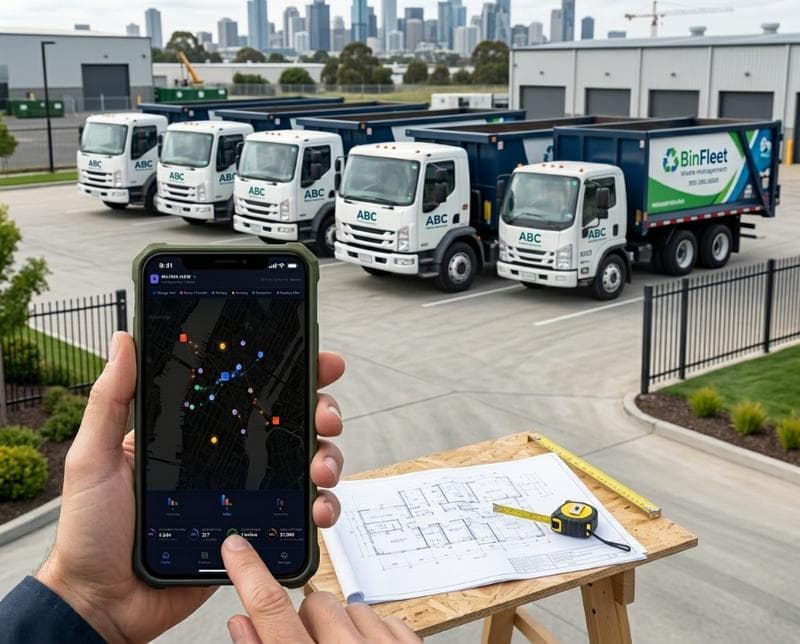
The waste hauling industry stands at a technological crossroads in 2026, where traditional operations meet cutting-edge innovation. Companies that embrace these emerging technologies are discovering significant advantages in operational efficiency, cost reduction, and customer satisfaction. Meanwhile, those clinging to legacy systems find themselves struggling to compete in an increasingly digital marketplace.
Understanding which technologies offer real value versus fleeting trends has become crucial for waste hauling operators. The most successful companies are strategically adopting solutions that address their specific operational challenges while building foundations for future growth. This transformation isn't just about having the latest gadgets—it's about fundamentally improving how waste hauling businesses operate daily.
AI-Powered Route Optimization Becomes Standard
Artificial intelligence has moved beyond experimental territory to become a practical necessity for efficient route planning in 2026. Modern AI systems analyze traffic patterns, customer preferences, container fill levels, and driver schedules to create optimized routes that reduce fuel costs by 15-20% while improving on-time delivery rates. These systems continuously learn from real-world data, becoming more accurate with each completed route and adapting to seasonal changes or unexpected disruptions.
The sophistication of AI route optimization now extends to predictive analytics that forecast peak service periods and recommend proactive scheduling adjustments. Companies using these systems report significant improvements in driver satisfaction due to more reasonable daily workloads and better work-life balance. The technology has evolved to integrate seamlessly with existing dispatch software, making adoption less disruptive than early implementations required.
IoT Sensors Transform Asset Management
Internet of Things sensors have revolutionized how waste haulers track and manage their container inventory throughout 2026. Smart sensors installed on dumpsters and roll-off containers provide real-time location data, fill level monitoring, and maintenance alerts that prevent costly breakdowns or lost assets. This technology eliminates the guesswork around container status and enables data-driven decisions about pickup schedules and inventory allocation.
The integration of IoT sensors with fleet management systems creates a comprehensive view of operations that was impossible just a few years ago. Operators can now track container utilization rates, identify theft or unauthorized movement immediately, and optimize inventory deployment based on actual usage patterns rather than estimates. The return on investment typically materializes within 12-18 months through reduced asset loss and improved operational efficiency.
Mobile-First Customer Experience Platforms
Customer expectations for digital convenience have pushed waste hauling companies to prioritize mobile-responsive platforms that enable self-service capabilities. Modern customers expect to schedule services, modify orders, track deliveries, and manage payments through intuitive mobile apps or responsive websites. Companies that have invested in these platforms report higher customer retention rates and reduced call volume to customer service departments.
The shift toward mobile-first experiences has also transformed how companies handle customer communications. Automated SMS updates about delivery windows, service changes, and billing notifications have become standard expectations rather than premium features. Advanced waste management software now integrates these communication tools seamlessly, allowing operators to maintain professional customer relationships without overwhelming their administrative staff.
Automated Billing and Payment Processing
The complexity of waste hauling billing—with variable services, multiple rate structures, and frequent service changes—has driven widespread adoption of automated billing systems in 2026. These platforms handle everything from calculating charges based on service frequency and container sizes to processing payments and managing overdue accounts. The reduction in manual billing errors and administrative overhead has freed up valuable staff time for revenue-generating activities.
Integration between billing systems and field operations has reached new levels of sophistication, with automatic invoicing triggered by service completion and real-time updates to customer accounts. Payment processing now includes multiple options from traditional credit cards to digital wallets and automated clearing house transfers. Companies report that streamlined billing processes improve cash flow and reduce collection issues while enhancing the overall customer experience.
Fleet Electrification and Alternative Fuels
Environmental regulations and fuel cost considerations have accelerated the adoption of electric and alternative fuel vehicles in waste hauling fleets during 2026. Electric trucks now offer sufficient range and payload capacity for many urban and suburban routes, while compressed natural gas vehicles provide cost-effective solutions for longer-distance operations. The infrastructure for supporting these alternative fuel vehicles has matured significantly, making the transition more feasible for operators of all sizes.
The total cost of ownership analysis for alternative fuel vehicles has become increasingly favorable, especially when factoring in maintenance savings and potential tax incentives. Fleet managers are discovering that electric vehicles require less maintenance due to fewer moving parts, while CNG vehicles offer predictable fuel costs compared to volatile diesel prices. However, successful implementation requires careful route analysis and charging or fueling infrastructure planning to avoid operational disruptions.
Integrated Business Management Platforms
The trend toward comprehensive, integrated software platforms has gained tremendous momentum as waste haulers recognize the inefficiencies of managing multiple disconnected systems. Modern platforms combine dispatch, customer management, billing, driver communication, and reporting into unified solutions that eliminate data silos and reduce manual data entry. This integration provides operators with complete visibility into their business performance and enables more informed decision-making.
The competitive advantage of integrated platforms becomes most apparent during peak seasons or unexpected disruptions when coordinated responses across all business functions are essential. Companies using comprehensive solutions can quickly adapt to changing conditions, reallocate resources efficiently, and maintain service quality while their competitors struggle with communication breakdowns between different systems. Industry insights consistently show that businesses with integrated platforms achieve higher profitability and customer satisfaction scores.
Frequently Asked Questions
What's the typical ROI timeline for waste hauling technology investments?
Most waste hauling operators see positive returns within 12-24 months for comprehensive software platforms, with route optimization and automated billing typically showing benefits within 6-12 months. The exact timeline depends on company size, current operational efficiency, and how thoroughly the technology is implemented across all business processes.
Can smaller waste hauling companies afford these new technologies?
Yes, many modern waste hauling technologies are designed with scalable pricing models that make them accessible to smaller operators. Cloud-based solutions eliminate the need for expensive hardware investments, while monthly subscription models allow companies to start with basic features and expand capabilities as they grow.
How disruptive is implementing new waste hauling software?
Well-designed modern platforms minimize disruption through phased implementation approaches and comprehensive training programs. Most companies can transition core functions within 2-4 weeks while maintaining normal operations. The key is choosing solutions that integrate with existing workflows rather than requiring complete process overhauls.
What should I prioritize when evaluating waste hauling technology vendors?
Focus on vendors with proven experience in the waste hauling industry who understand your specific operational challenges. Look for solutions that offer comprehensive integration capabilities, reliable customer support, and clear pricing structures without hidden fees. Request references from similar-sized companies and conduct thorough demos before making decisions.
Ready to Streamline Your Operation?
See how BinFleet AI helps waste haulers save time, cut costs, and grow.
Request a Free 30-Day Trial