Technology Trends Transforming Waste Hauling Operations in 2026
AI-Powered Route Optimization and Dynamic Dispatching
Artificial intelligence has evolved from a buzzword to a practical necessity for waste haulers looking to maximize efficiency in 2026. Modern AI systems analyze historical pickup data, traffic patterns, customer preferences, and real-time road conditions to create optimized routes that reduce fuel costs and improve service reliability. These systems can automatically adjust routes mid-day when emergency pickups arise or weather conditions change, ensuring drivers stay productive without manual intervention from dispatchers.
The most sophisticated AI dispatching platforms now integrate with customer communication systems, automatically notifying clients of pickup delays or schedule changes before problems escalate into complaints. This proactive approach has become essential as customer expectations for transparency and communication continue to rise. Operators using AI-driven route optimization report fuel savings of 15-25% and increased daily stops per driver, directly impacting their bottom line while improving customer satisfaction scores.
IoT Sensors and Smart Container Technology
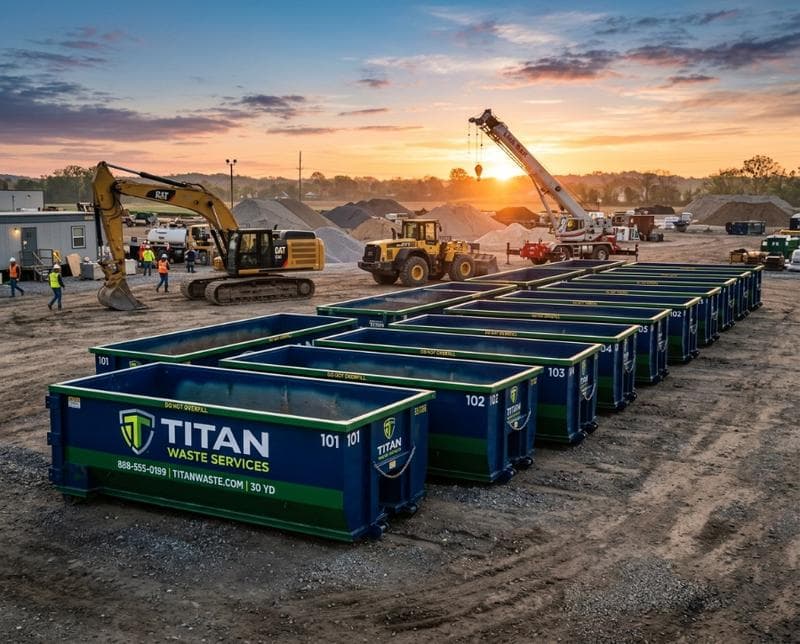
Internet of Things sensors embedded in dumpsters and roll-off containers are revolutionizing how haulers track inventory and schedule pickups in 2026. Fill-level sensors provide real-time data about container capacity, allowing operators to optimize pickup schedules based on actual needs rather than predetermined routes. This technology prevents overflows at customer sites while reducing unnecessary trips to containers that aren't ready for service, creating a win-win scenario for both haulers and their clients.
Smart container technology extends beyond fill sensors to include GPS tracking, maintenance alerts, and integration with billing systems. Containers equipped with these sensors can automatically trigger service requests when they reach predetermined capacity levels, streamline inventory management across multiple job sites, and provide detailed usage analytics that help haulers make data-driven decisions about fleet expansion and customer pricing. The technology pays for itself quickly through reduced operational costs and improved asset utilization rates.
Mobile-First Operations and Driver Applications
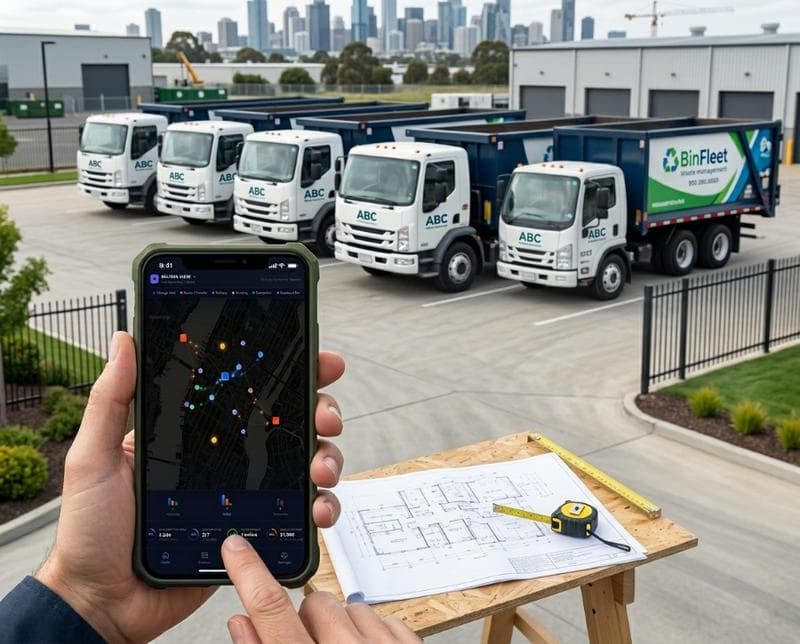
The shift toward mobile-first operations has accelerated dramatically, with drivers now carrying sophisticated applications that handle everything from route navigation to customer communication and payment processing. Modern driver apps integrate with dispatch systems to provide real-time updates on schedule changes, special instructions, and customer notes, eliminating the need for constant radio communication between drivers and dispatchers. These applications also capture essential data like delivery confirmations, photos of completed jobs, and customer signatures, creating a digital paper trail that reduces disputes and improves accountability.
Advanced mobile applications now include features like automatic time tracking, expense reporting, and integration with electronic logging devices for commercial drivers. The best platforms allow drivers to handle customer payments on-site, update job status instantly, and communicate directly with customers through SMS or in-app messaging. This level of mobile functionality has become table stakes for attracting and retaining quality drivers who expect modern tools that make their jobs easier and more efficient.
Automated Billing and Customer Self-Service Portals
Billing automation has transformed from a nice-to-have feature into an operational necessity for waste haulers managing hundreds or thousands of customer accounts. Modern billing systems automatically generate invoices based on completed pickups, apply appropriate rates for different service types, and integrate with payment processing platforms to handle credit card transactions and ACH payments. This automation reduces billing errors, accelerates cash flow, and frees up administrative staff to focus on customer service and business development activities.
Customer self-service portals complement automated billing by giving clients 24/7 access to their account information, service history, and scheduling options. These portals allow customers to request additional pickups, modify service schedules, view past invoices, and make payments without contacting the hauler's office staff. The combination of automated billing and self-service portals significantly reduces administrative overhead while improving customer satisfaction through increased convenience and transparency.
Integrated Fleet Management and Maintenance Systems
Fleet management technology in 2026 goes far beyond basic GPS tracking to include comprehensive maintenance scheduling, fuel monitoring, and driver behavior analysis. Integrated systems monitor vehicle diagnostics in real-time, automatically scheduling preventive maintenance based on usage patterns and manufacturer recommendations rather than arbitrary time intervals. This proactive approach reduces unexpected breakdowns, extends vehicle life, and ensures regulatory compliance for commercial fleets operating under DOT regulations.
Modern fleet management platforms also analyze driver behavior patterns to identify opportunities for fuel savings, safety improvements, and route optimization. These systems track metrics like idle time, harsh braking, speeding, and acceleration patterns to provide targeted coaching opportunities for drivers. The data collected helps haulers make informed decisions about vehicle replacement, driver training programs, and operational policy changes that improve both safety and profitability across their operations.
Data Analytics and Predictive Business Intelligence
The waste hauling industry has embraced data analytics as a competitive advantage, using business intelligence platforms to identify trends, optimize pricing, and predict customer behavior. Advanced analytics platforms aggregate data from multiple sources including dispatch systems, billing platforms, customer feedback, and market conditions to provide actionable insights that drive strategic decision-making. Haulers can now identify which customers are most profitable, predict seasonal demand fluctuations, and optimize pricing strategies based on comprehensive market analysis.
Predictive analytics help operators anticipate equipment failures, customer churn, and market opportunities before they become critical issues. These systems analyze historical patterns to forecast future demand, enabling better capacity planning and resource allocation. Forward-thinking haulers use these insights to proactively address customer concerns, optimize fleet deployment, and identify expansion opportunities in underserved markets. Platforms like BinFleet integrate these analytics capabilities directly into operational workflows, making data-driven decision-making accessible to operators of all sizes.
FAQ
What's the ROI timeline for implementing new waste hauler technology?
Most waste haulers see positive ROI within 6-12 months of implementing comprehensive technology solutions, with the fastest payback coming from route optimization and automated billing features. The exact timeline depends on operation size and current technology baseline, but fuel savings and labor efficiency gains typically offset implementation costs quickly.
Do smaller waste hauling operations need the same technology as large companies?
Smaller haulers actually benefit more from technology adoption per dollar invested, as automation handles tasks that would otherwise require dedicated administrative staff. Modern platforms scale appropriately for operations with 5-50 trucks, providing enterprise-level capabilities without enterprise complexity or cost structures.
How difficult is it to train drivers and staff on new technology systems?
Current technology platforms prioritize user-friendly design, with most drivers becoming proficient within a few days of training. The biggest adoption challenge is usually overcoming initial resistance to change rather than actual technical difficulty, which proper change management and training programs easily address.
Can waste hauler technology integrate with existing accounting and business systems?
Yes, modern waste hauling platforms offer robust integration capabilities with popular accounting software, CRM systems, and other business tools. These integrations eliminate double data entry and ensure information flows seamlessly between systems, maintaining accuracy while reducing administrative workload.
Ready to Streamline Your Operation?
See how BinFleet AI helps waste haulers save time, cut costs, and grow.
Request a Free 30-Day Trial