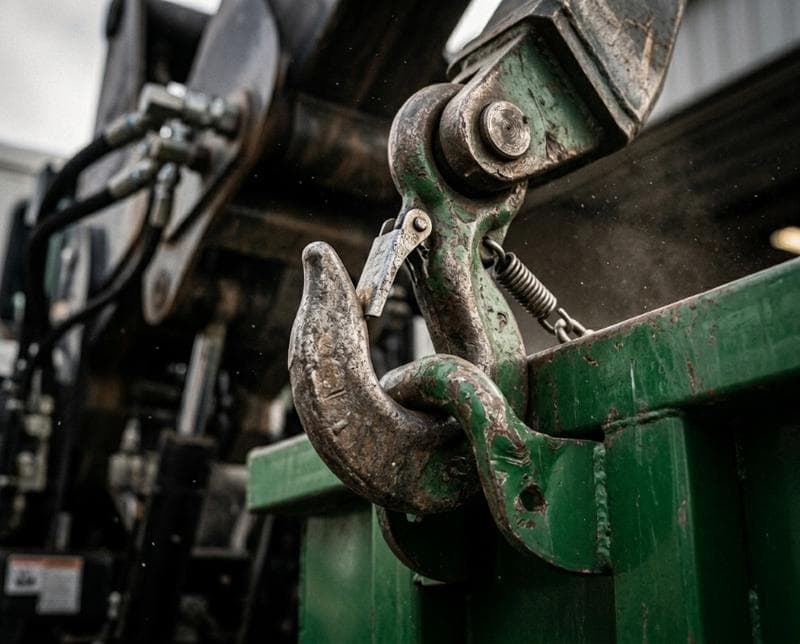
How CRM Software Transforms Dumpster Rental Customer Retention and Revenue Growth
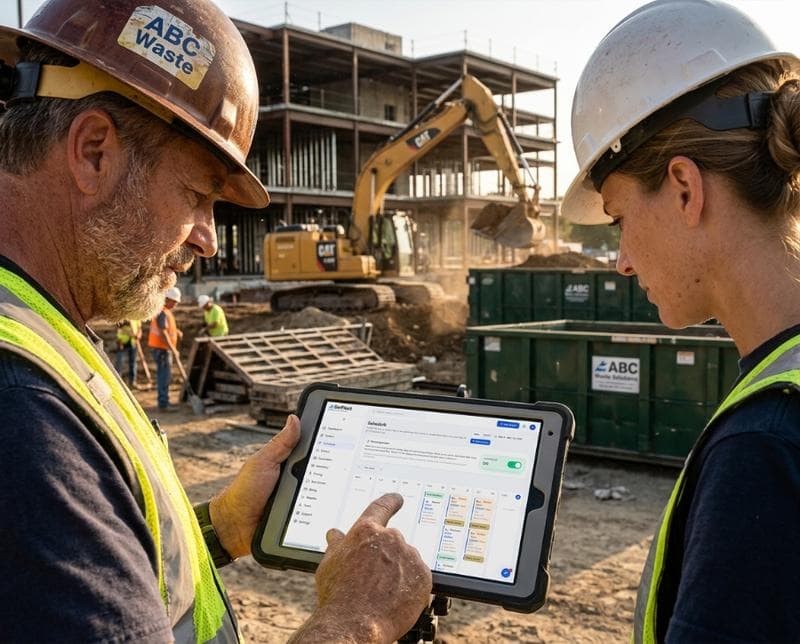
Customer retention in the dumpster rental industry costs five times less than acquiring new customers, yet most waste haulers still operate without a structured approach to relationship management. While construction companies and contractors develop loyalty to reliable service providers, many rental businesses lose repeat customers simply because they lack systems to nurture these relationships beyond the initial pickup and delivery.
The shift toward specialized CRM software for dumpster rental companies represents more than just digital record-keeping. Modern waste management CRM systems integrate directly with dispatch operations, tracking customer preferences, service history, and communication patterns to create personalized experiences that keep clients coming back. Companies using integrated CRM report 25-30% higher customer lifetime values compared to those relying on spreadsheets and manual follow-up processes.
Understanding Customer Lifetime Value in Waste Management
Most dumpster rental companies focus intensely on individual order profitability while overlooking the cumulative value of long-term customer relationships. A general contractor who rents containers for weekend cleanouts might seem like a small account, but when that same contractor moves into larger commercial projects requiring multiple containers monthly, the relationship value compounds exponentially. CRM systems capture these progression patterns, allowing operators to identify which small accounts have potential for significant growth.
Tracking customer lifetime value requires more than just counting repeat orders. Successful waste haulers monitor service frequency, seasonal patterns, project types, and referral generation to build comprehensive customer profiles. When your CRM shows that a particular contractor typically scales up their container needs every spring, you can proactively reach out with capacity planning and preferred scheduling before they even place their first order of the season.
Automated Communication That Builds Loyalty
Manual follow-up calls and reminder emails consume valuable office hours while producing inconsistent results across your customer base. CRM automation handles routine touchpoints systematically, sending pickup confirmations, delivery updates, and post-service satisfaction surveys without requiring constant staff intervention. This consistency creates a professional impression that larger waste management companies leverage to win contracts from smaller, less organized competitors.
Smart automation goes beyond basic notifications to include personalized service recommendations based on customer history. When a regular residential customer consistently fills their 20-yard container to capacity, automated workflows can suggest upgrading to a 30-yard option for their next project. Similarly, commercial accounts that frequently request emergency pickups receive automated offers for scheduled service contracts that prevent last-minute scrambling while increasing predictable revenue streams.
Service History Tracking for Competitive Advantage
Detailed service records transform customer interactions from transactional exchanges into consultative relationships where your expertise guides their waste management decisions. CRM systems that integrate with dispatch and inventory management provide complete visibility into each customer's container usage patterns, preferred placement locations, special handling requirements, and seasonal fluctuations. This institutional knowledge becomes invaluable when customers call with questions or when training new staff members who need to understand established account preferences.
Beyond operational efficiency, comprehensive service history enables proactive problem-solving that prevents customer defection. When your CRM alerts you that a longtime commercial customer hasn't placed an order in six months, you can investigate potential issues before they become permanent account losses. Perhaps they've switched to a competitor offering lower prices, or maybe their business model has changed in ways that affect their waste generation patterns.
Revenue Growth Through Strategic Account Management
CRM data reveals growth opportunities that remain invisible when customer information stays scattered across dispatch sheets, invoicing systems, and individual employee memories. Account analysis features help identify customers who consistently use your services for small projects but might benefit from larger container options or extended rental periods. Similarly, seasonal trend analysis shows which accounts could support year-round contracts instead of sporadic project-based rentals.
Strategic account management involves understanding the broader business context of your customers' operations. Construction companies managing multiple job sites simultaneously need coordinated delivery schedules and consistent container availability. Property management companies require reliable service for tenant turnover cleanouts. CRM platforms designed for waste management operations help identify these patterns and position your company as a strategic partner rather than just another vendor competing solely on price.
Integration with Operations for Seamless Service
Standalone CRM systems create data silos that force staff to toggle between multiple platforms throughout their daily workflows. Modern waste management software integrates customer relationship management directly with dispatch, routing, inventory tracking, and billing functions. When a customer calls to schedule service, representatives can immediately see available inventory, optimal delivery routes, and billing preferences without switching applications or putting customers on hold.
This operational integration eliminates the communication gaps that frequently damage customer relationships in service-based industries. Dispatch coordinators can access customer service notes about specific placement requirements or access restrictions. Drivers receive comprehensive job details including customer preferences and special instructions. Billing teams can reference service history when customers have questions about charges or need documentation for their own record-keeping requirements.
Measuring Success and ROI
Implementing CRM software requires investment in both technology and training, making it essential to track specific metrics that demonstrate returns on that investment. Customer retention rates, average order values, and repeat booking frequencies provide quantifiable measures of relationship management effectiveness. Companies typically see initial improvements within 90 days of CRM implementation, with more significant gains developing as staff become proficient with automated workflows and customer insights.
Beyond direct revenue metrics, CRM systems improve operational efficiency through reduced administrative overhead and better resource allocation. Industry studies show that waste haulers using integrated CRM spend 40% less time on manual data entry and customer follow-up tasks. This efficiency gain allows the same staff to manage larger customer bases while maintaining personalized service levels that differentiate your company from less organized competitors.
Frequently Asked Questions
How does CRM software specifically help dumpster rental companies compared to generic sales CRM platforms?
Waste management CRM systems integrate directly with dispatch, routing, and inventory management to provide real-time visibility into container availability and delivery logistics. Unlike generic sales platforms, these specialized systems understand the unique operational requirements of equipment rental businesses, including asset tracking, service territory management, and seasonal demand fluctuations.
What's the typical return on investment for CRM implementation in waste hauling operations?
Most dumpster rental companies see positive ROI within 12-18 months through improved customer retention and increased order values from existing accounts. The combination of automated communication, better service delivery, and strategic account management typically increases customer lifetime value by 25-30% while reducing administrative costs.
Can CRM systems help with regulatory compliance and documentation requirements?
Modern waste management CRM platforms maintain comprehensive service records that support regulatory reporting and customer documentation needs. This includes tracking special waste handling procedures, maintaining proof of service delivery, and generating reports for environmental compliance audits that many commercial customers require.
How much training does staff need to effectively use CRM software?
Most waste management CRM platforms are designed for ease of use, requiring 2-3 hours of initial training for basic functions. Advanced features like automated workflow setup and custom reporting typically need additional training sessions, but daily operational use becomes intuitive within the first week of implementation.
Ready to Streamline Your Operation?
See how BinFleet AI helps waste haulers save time, cut costs, and grow.
Request a Free 30-Day TrialRelated Articles
How a Dumpster Rental CRM Transforms Customer Retention & Revenue Growth
How a Dumpster Rental CRM Transforms Customer Relationships Into Revenue Growth