Why Dumpster Rental Companies Need CRM to Retain Customers and Grow Revenue
The Hidden Revenue Drain in Dumpster Rental Operations
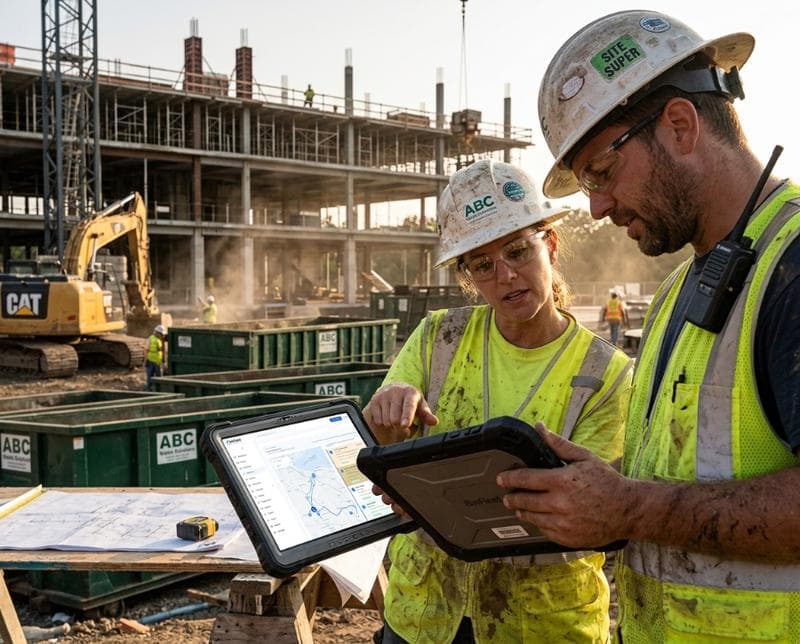
Most waste hauling companies focus heavily on acquiring new customers while overlooking a critical revenue opportunity sitting right in their existing customer base. The construction contractor who rented a 20-yard container three months ago for a kitchen renovation might need another dumpster for their next project, but without proper follow-up systems, that repeat business often goes to competitors who happen to call at the right time.
This pattern repeats across the industry because traditional dumpster rental operations rely on basic scheduling software that treats each order as an isolated transaction. Without visibility into customer history, project patterns, and communication preferences, operators miss opportunities to nurture relationships that could generate consistent revenue streams. The result is a constant scramble for new customers while profitable repeat business slips away to competitors with better customer relationship management.
How CRM Features Transform Customer Relationships
A proper customer relationship management system for dumpster rentals goes far beyond storing contact information in a digital rolodex. Modern CRM capabilities track every interaction with customers, from initial quote requests through delivery confirmations and payment history. This comprehensive view allows dispatchers and sales teams to understand each customer's rental patterns, preferred container sizes, typical project timelines, and communication preferences, enabling personalized service that builds loyalty.
The real power emerges when CRM features integrate seamlessly with operational functions like scheduling, inventory management, and billing. When a repeat customer calls for another rental, the system immediately displays their rental history, preferred delivery times, site access notes, and payment terms. This institutional knowledge prevents the frustrating experience of customers having to re-explain their requirements to different staff members, while helping operations teams anticipate needs and proactively suggest appropriate solutions for upcoming projects.
Automated Follow-Up Systems That Generate Revenue
Smart CRM systems automatically track customer lifecycle stages and trigger appropriate follow-up actions without requiring manual intervention from busy office staff. For instance, when a construction company completes a major renovation project, the system can automatically schedule a follow-up call or email after 30 days to discuss upcoming projects that might require container services. This systematic approach ensures no potential opportunity gets overlooked during busy operational periods.
The automation extends beyond simple reminder systems to include intelligent suggestions based on customer behavior patterns. If a property management company typically rents containers every six months for tenant turnover cleanouts, the CRM can flag these accounts for proactive outreach before their usual rental window. Similarly, seasonal patterns like spring cleaning campaigns or construction industry cycles can trigger targeted communications that position your company as the preferred waste management partner for recurring needs.
Communication Preferences and Customer Retention
Understanding how individual customers prefer to communicate dramatically improves retention rates and overall satisfaction scores. Some contractors prefer text messages for delivery confirmations, while property managers might need detailed email reports for their records. CRM systems capture these preferences and ensure all future communications use the customer's preferred channels, reducing friction and demonstrating attention to individual needs.
Beyond communication channels, effective CRM tracking reveals optimal timing for different types of outreach. Data might show that facility managers respond better to quarterly check-ins rather than monthly contact, or that residential customers appreciate project completion follow-ups but find frequent promotional emails annoying. This granular understanding of customer preferences allows waste hauling companies to maintain regular contact without becoming intrusive, building relationships that translate directly into increased customer lifetime value.
Measuring Customer Lifetime Value and Growth Opportunities
CRM analytics provide clear visibility into which customer relationships generate the most profitable long-term revenue, enabling operations managers to allocate resources more effectively. By tracking metrics like average order value, rental frequency, payment terms, and service requirements, companies can identify their most valuable accounts and ensure these customers receive priority attention for retention efforts. This data-driven approach prevents the common mistake of spending equal effort on all customers regardless of their revenue potential.
The insights extend to identifying expansion opportunities within existing accounts that might not be immediately obvious during day-to-day operations. A small commercial customer who consistently rents 10-yard containers might be growing their business and ready to consider larger containers or more frequent service. CRM data can flag these growth patterns and prompt sales conversations that capture additional revenue from established relationships rather than always chasing new prospects.
Integration with Operations for Seamless Service
The most effective dumpster rental CRM systems integrate directly with dispatching, routing, and inventory management functions to ensure customer relationship data translates into operational excellence. When customer preferences for delivery times, container placement, or special handling requirements are automatically available to drivers and dispatchers, service quality improves dramatically. This operational integration means that CRM insights actually influence how services are delivered, not just how they're sold.
Modern platforms like BinFleet combine CRM functionality with comprehensive operational management, ensuring customer relationship data flows seamlessly between sales, dispatch, and field operations. This integration eliminates the disconnect between customer promises and service delivery that often damages relationships in traditional systems where CRM and operations software don't communicate effectively. When every team member has access to relevant customer information, the entire organization delivers more consistent, personalized service that builds lasting business relationships.
FAQ
How does CRM help with customer retention in dumpster rental?
CRM systems help retain customers by tracking their rental patterns, communication preferences, and service history to enable personalized follow-up and proactive outreach. This systematic approach ensures no customer falls through the cracks and builds stronger relationships through consistent, relevant communication.
What specific features should waste haulers look for in CRM software?
Essential CRM features for dumpster rental companies include automated follow-up scheduling, customer communication preference tracking, rental history analysis, and integration with dispatch and billing systems. The system should also provide analytics on customer lifetime value and identify expansion opportunities within existing accounts.
Can CRM integration work with existing dispatch software?
Modern CRM solutions designed for waste hauling typically integrate with existing dispatch and operational software through APIs or built-in compatibility. However, choosing an integrated platform that combines CRM with operational management often provides better data flow and eliminates the complexity of managing multiple disconnected systems.
How quickly can we see results from implementing CRM?
Most dumpster rental companies begin seeing improved customer retention within 60-90 days of implementing systematic CRM processes, with follow-up campaigns generating repeat bookings almost immediately. However, the full revenue impact typically develops over 6-12 months as relationship-building efforts compound and customer lifetime values increase. To explore how CRM features could work for your operation, consider scheduling a demo to see these capabilities in action.
Ready to Streamline Your Operation?
See how BinFleet AI helps waste haulers save time, cut costs, and grow.
Request a Free 30-Day Trial