How a Dumpster Rental CRM Transforms Customer Relationships Into Recurring Revenue
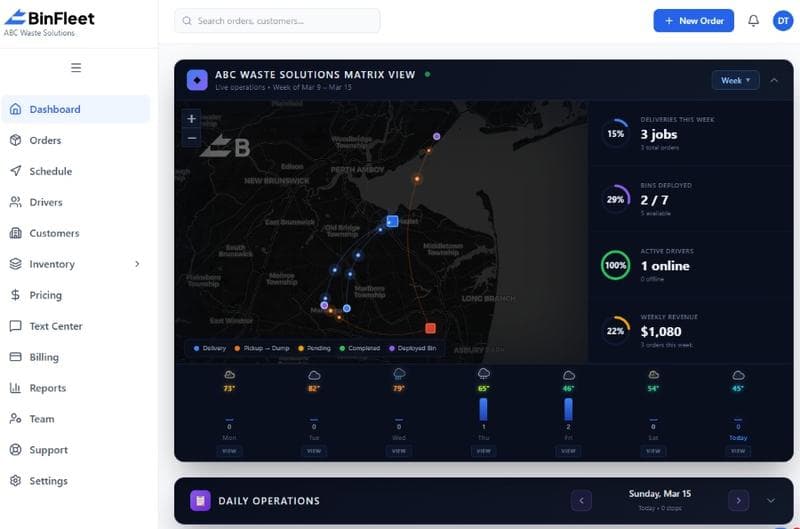
Why Dumpster Rental Companies Need a CRM (Not Just Dispatch Software)
Most waste haulers run on dispatch and billing systems. They know where bins are, when pickups happen, and what customers paid. But they don't know why a customer churns, when to reach out before a contract expires, or which accounts are at risk of switching to a competitor. That blindspot costs thousands in lost revenue every year. A dumpster rental CRM bridges the gap between operational logistics and relationship intelligence, giving you visibility into every touchpoint with your customer base.
The difference between a CRM and traditional waste management software is strategic. Dispatch tracks the present moment—today's pickups, today's route. A CRM tracks the relationship timeline—when you last contacted a customer, what issues they raised, renewal dates, expansion opportunities, and satisfaction trends. For a business where customer lifetime value depends on retention and upsells, that historical context is invaluable. Without it, you're managing accounts reactively instead of proactively.
Reduce Churn by Predicting and Preventing Account Loss
Churn in waste services happens quietly. A customer stops ordering extra bins. Service tickets go unanswered for longer than usual. Billing disputes sit unresolved. By the time you notice, they've already called a competitor or signed a contract elsewhere. A CRM-enabled approach surfaces warning signals early. When you tag accounts by risk level, automate renewal reminders, and log every interaction—from service calls to payment issues—your team sees red flags before they become exit signs.
Retention doesn't require perfection; it requires responsiveness. Customers who feel heard renew. Those who feel abandoned don't. A good dumpster rental CRM lets you set automated touchpoints: friendly check-ins 60 days before renewal, special offers for at-risk accounts, and escalation workflows when a customer hasn't been contacted in 90 days. You're not being pushy—you're being present. That presence converts into loyalty, especially in an industry where switching costs are often lower than staying.
Grow Revenue by Upselling and Cross-Selling Systematically
Your best growth comes from existing customers. A contractor using a 20-yard bin weekly might benefit from a dedicated account with frequency discounts. A property manager running multiple commercial dumpsters could adopt a fuel surcharge management package or junk removal services. But without a CRM, these opportunities live in someone's head or get lost entirely. A centralized system lets you track customer service history, note unmet needs during calls, and flag expansion opportunities for your sales team to pursue with data instead of guesses.
Upselling works best when it's contextual and timely. If a customer complains about bin capacity during a pickup, that's not a problem—it's a signal. Log it in your CRM, and your team can proactively offer an upgrade at their next renewal or a temporary add-on immediately. You're not selling harder; you're listening better and responding with solutions they've already told you they need. Over time, this approach grows average revenue per account and improves customer satisfaction simultaneously.
Centralize Customer Intelligence Across Your Entire Team
Dispatchers, drivers, office staff, and sales all interact with customers. Without a CRM, that knowledge stays siloed. A driver knows the site manager prefers morning pickups and mentioned expanding to a second location. The billing team knows they've called twice about a late payment. The dispatcher sees recurring service requests. Nobody sees the full picture, and opportunities fall through cracks. A unified CRM makes all of that tribal knowledge searchable and actionable. Every team member sees the same account history, service notes, and communication log.
This centralization improves both customer experience and internal efficiency. When a customer calls with a question, the person answering already knows their history, preferences, and recent issues. That's professionalism. When your sales team renews a contract, they can see what problems were logged and address them before they cause churn. When drivers spot an opportunity (a customer mentions they're opening a second location), they can note it in the CRM and let sales follow up. You're not adding more work—you're eliminating the waste of re-explaining situations to different departments.
Automate Renewal Workflows and Reduce Manual Follow-Up Burden
Renewal management can be chaotic. You're tracking dozens or hundreds of expiration dates, sending reminders, handling objections, and getting bogged down in back-and-forth email threads. A CRM automates the routine. Set a renewal alert 90 days before expiration, and the system reminds your team. 60 days out, send a friendly SMS or email automatically. 30 days out, escalate to your account manager for personal outreach. When the customer opens the renewal proposal, you know engagement is happening. When they don't respond, you have a clear escalation path. What used to take hours of manual calendar-checking now happens automatically, freeing your team to focus on deals that need a human touch.
Automation also reduces the human error that loses deals. A contract renewal date doesn't get accidentally missed because a team member forgot to check their spreadsheet. A customer doesn't slip away because renewal follow-up fell to someone who quit two months ago. The system is the memory. Your team is the decision-maker. This balance eliminates gaps while keeping the personal relationships intact. Customers still talk to real people; they just feel more cared for because nothing falls through the cracks.
Measure What Matters: Retention, Churn, and Customer Lifetime Value
You can't manage what you don't measure. Most waste haulers can tell you their monthly revenue but not their annual churn rate, average customer lifetime, or which account segments are most profitable. A CRM with reporting dashboards gives you that clarity. You'll see which customer types renew at the highest rates, which salespeople close deals that stick, and which service problems trigger cancellations. Armed with that data, you can double down on what works and fix what doesn't. Instead of running blind, you're running data-informed.
These metrics also drive strategic decisions. If you see that small commercial accounts churn at 35% annually while large contracts renew at 90%, you can adjust pricing, service levels, or retention focus accordingly. If one location's accounts renew at higher rates than another, investigate why and replicate that success. Over a year or two, small improvements in retention compound into significant revenue growth. A 5% improvement in churn for a 200-account base could mean 10 additional annual renewals—that's $50K-$100K+ in protected revenue, depending on your ACV.
Getting Started: Choosing a CRM Built for Waste Operations
Not all CRMs work for dumpster rental. Generic Salesforce implementations are overkill and disconnected from your dispatch reality. You need a system that speaks waste—one that integrates with your routing, billing, and inventory so customer data flows naturally. Look for a platform that lets you manage accounts from the same place you manage bins and routes. The best CRMs for waste haulers combine relationship tools with operational visibility so you're not bouncing between systems.
Start with core features: account history logging, automated renewals, basic reporting, and mobile access for your team in the field. You don't need every bell and whistle on day one. What matters is that your entire team can see and update customer information in one place, that renewals trigger automatically, and that you can run simple reports on retention and revenue by customer segment. As you grow, you can layer in advanced features like predictive churn alerts or AI-driven upsell recommendations. The foundation is what counts.
FAQ: Common Questions About Dumpster Rental CRMs
Do I really need a CRM if I already have dispatch and billing software?
Dispatch and billing track transactions; a CRM tracks relationships. Yes, they overlap, but a CRM focuses on communication history, renewal timing, and account health. If you're happy with your renewal rate and have zero churn risk, maybe not. Most haulers aren't—that's why CRMs exist. See how BinFleet integrates both to eliminate the gap.
How much time does it take to implement a CRM?
A lightweight CRM built for waste can go live in days or weeks, not months. You'll need to import your customer list and decide on a few workflows (like renewal reminders). The key is choosing a system designed for your industry so you're not customizing from scratch. Most waste haulers see quick wins in the first month—faster renewals, fewer missed follow-ups, better account visibility.
Can my drivers and field team use a CRM?
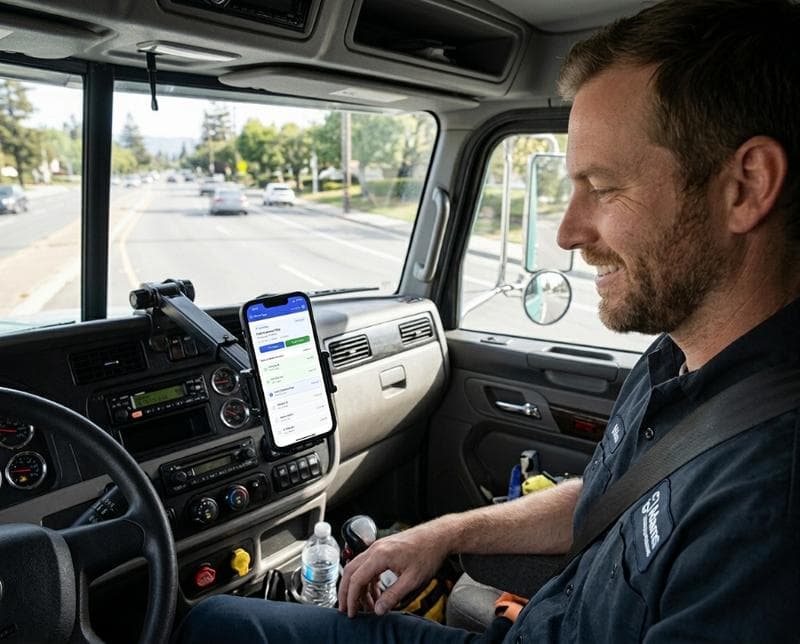
Absolutely. Mobile-first CRMs let drivers log service notes, flag issues, and access account history from the job site. This turns your entire field team into data collectors. A driver can note that a bin was overfull, a location is expanding, or a customer mentioned a specific concern—all of which feed into your sales and retention strategy. It makes field teams more valuable and gives you richer customer intelligence.
How does a CRM improve my bottom line?
A CRM protects revenue (reduced churn), creates revenue (upsells and expansions), and saves time (automation of routine follow-ups). Even modest improvements—5-10% better retention, 2-3 more upsells per month—translate to tens of thousands in annual profit for a mid-sized hauler. You also reduce the cost of manual account management and emergency chasing of late renewals. The ROI typically shows up within the first 6-12 months.
Start Small, Build Momentum
Retention and growth don't require complicated systems—they require consistency and visibility. A good CRM gives you both. You see when to reach out. You see what happened last time. You see which customers are at risk and which are ready to buy more. Your team stays coordinated because everyone's working from the same information. Over time, small improvements in renewal rates and account expansion compound into meaningful revenue growth.
The best time to implement a CRM is before you desperately need one. If you're already seeing churn or losing upsell opportunities, waiting longer only costs more money. Request a demo to see how a waste-focused CRM works in practice. Or explore our blog for more strategies on retention and growth. Most haulers who move are surprised by how quickly they see results.
Ready to Streamline Your Operation?
See how BinFleet AI helps waste haulers save time, cut costs, and grow.
Request a Free 30-Day TrialRelated Articles
How a Dumpster Rental CRM Transforms Customer Relationships Into Recurring Revenue
How a Dumpster Rental CRM Transforms Customer Relationships Into Revenue Growth