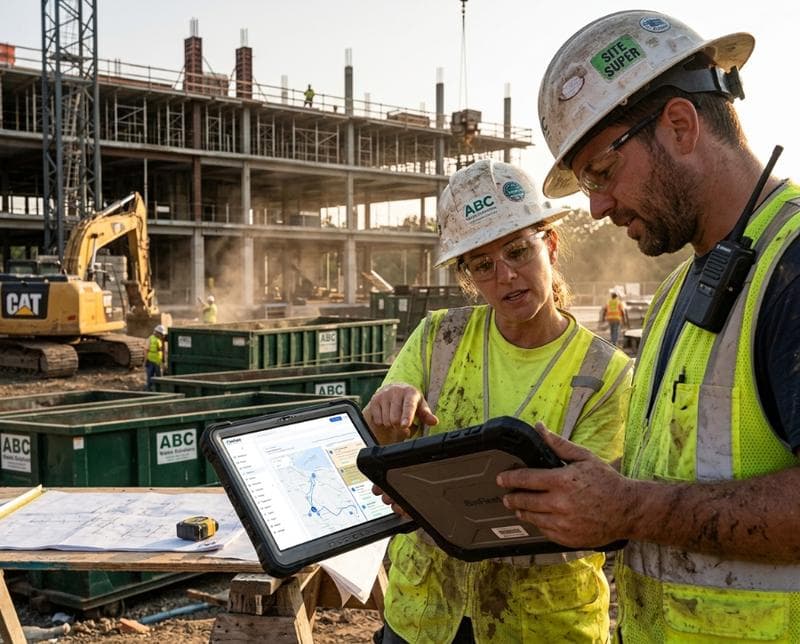
From One Truck to Fleet: Scaling Your Dumpster Rental Business in 2026

The dumpster rental industry continues to grow, driven by construction booms and increased focus on proper waste management. However, scaling from a one-truck operation to a multi-truck fleet presents unique challenges that can make or break your expansion plans. Success requires more than just buying additional trucks—it demands strategic thinking about operations, technology, financing, and team building.
Many operators attempt to scale too quickly without proper systems in place, leading to cash flow problems, customer service failures, and operational chaos. The key to sustainable growth lies in building scalable processes, investing in the right technology, and expanding methodically while maintaining service quality. By 2026, the most successful operators will be those who combine smart growth strategies with modern management tools.
Building Your Financial Foundation for Growth
Before adding your second truck, establish a clear picture of your current profitability and cash flow patterns. Track your revenue per container, operating costs per route, and average collection times to understand your baseline performance. This data becomes crucial when approaching lenders or investors, as they'll want to see consistent profitability and growth potential before funding expansion.
Secure financing options early in your growth journey, even before you need them. Equipment financing for additional trucks typically requires 12-18 months of operating history and strong cash flow documentation. Consider establishing relationships with multiple lenders, including traditional banks, equipment finance companies, and SBA lenders. Having pre-approved credit lines allows you to move quickly when growth opportunities arise, whether that's acquiring a competitor or expanding into a new market.
Investing in Technology That Scales
Manual processes that work with one truck become bottlenecks as you grow. Spreadsheet-based scheduling, paper route sheets, and phone-only customer communication simply don't scale efficiently. The time you spend managing these systems manually takes away from revenue-generating activities like sales and customer service.
Modern dumpster management software becomes essential as you add trucks and containers. Platforms like BinFleet handle order management, automated dispatching, route optimization, and customer communications from a single dashboard. When evaluating software options, prioritize systems that can grow with your business, offering features like multi-location management, driver mobile apps, and automated billing. The investment in proper software typically pays for itself within months through improved efficiency and reduced administrative overhead.
Expanding Your Fleet Strategically
Your second truck purchase represents a critical decision point that shapes your growth trajectory. Consider your market density, service area, and demand patterns when choosing truck size and capacity. If you're serving primarily residential customers, a smaller truck with versatility might serve you better than a large capacity truck that limits your service areas.
Timing your fleet expansion requires careful analysis of utilization rates and seasonal demand patterns. Generally, you should consistently operate at 80-85% capacity utilization before adding another truck. Factor in maintenance schedules, driver availability, and market seasonality when planning purchases. Many successful operators find that buying quality used trucks initially allows for faster expansion while preserving cash flow for operations and marketing.
Hiring and Managing Drivers Effectively
Finding reliable CDL drivers remains one of the biggest challenges in scaling waste operations. Start building your driver pipeline early, even before you need additional drivers. Develop relationships with local CDL schools, post on industry job boards, and consider offering driver training programs for promising candidates without CDL experience. Competitive pay, consistent hours, and clear advancement paths help attract and retain quality drivers.
Implement standardized training programs and safety protocols from the beginning. As your fleet grows, inconsistent service delivery from undertrained drivers can damage your reputation quickly. Create detailed operational procedures, safety checklists, and customer service standards that every driver follows. Regular safety meetings, performance reviews, and recognition programs help maintain high standards across your growing team.
Operational Systems for Multi-Truck Success
Efficient dispatching becomes critical as you move beyond a single truck operation. Manual route planning wastes time and fuel while potentially missing optimization opportunities. Establish standard operating procedures for order processing, route planning, and customer communication that work regardless of fleet size. Consider geographic clustering of services to maximize efficiency and minimize dead miles.
Preventive maintenance schedules prevent costly breakdowns that can derail operations and disappoint customers. Track maintenance costs, repair patterns, and downtime for each vehicle to make informed decisions about repairs versus replacements. Many growing operators find that partnering with local mechanics or establishing maintenance agreements helps control costs while ensuring reliable service. Regular inspections and proactive part replacement cost far less than emergency repairs and lost revenue from vehicle downtime.
Marketing and Customer Acquisition at Scale
As your capacity grows, your marketing efforts must evolve beyond word-of-mouth and local relationships. Develop a professional website with online ordering capabilities, invest in local SEO, and consider digital advertising in your service areas. Track which marketing channels generate the highest-value customers to allocate your budget effectively.
Customer retention becomes increasingly important as you scale. Satisfied customers provide steady revenue and referrals, while poor service experiences get shared quickly in local communities. Implement customer feedback systems, track service quality metrics, and address complaints promptly. Many successful operators find that investing in customer relationship management systems helps maintain personal service even as they grow beyond the ability to know every customer personally.
Frequently Asked Questions
How much capital do I need to add a second truck?
Plan for $150,000-$300,000 depending on whether you buy new or used equipment, plus additional working capital for inventory and operations. This includes the truck, containers, permits, insurance, and 3-6 months of operating expenses. Many operators underestimate insurance increases and permitting costs when expanding.
When should I invest in management software?
Consider management software when you're consistently booking 15-20 orders per week or planning your second truck purchase. The complexity of scheduling multiple trucks and tracking dozens of containers manually becomes error-prone and time-consuming. Schedule a demo to see how software can streamline your operations before you outgrow manual processes.
How do I maintain service quality while growing?
Standardize your processes, train drivers thoroughly, and implement quality control measures like customer feedback surveys and route audits. Many operators find that documented procedures and regular team meetings help maintain consistency. Technology helps by ensuring nothing falls through the cracks during busy periods.
Should I expand geographically or increase density in my current market?
Generally, increasing density in your current market is more profitable than geographic expansion. You can leverage existing relationships, reduce dead miles, and maintain better service quality. Consider geographic expansion only after achieving strong market penetration in your current area or when competitors make your current market less profitable.
Ready to Streamline Your Operation?
See how BinFleet AI helps waste haulers save time, cut costs, and grow.
Request a Free 30-Day TrialRelated Articles
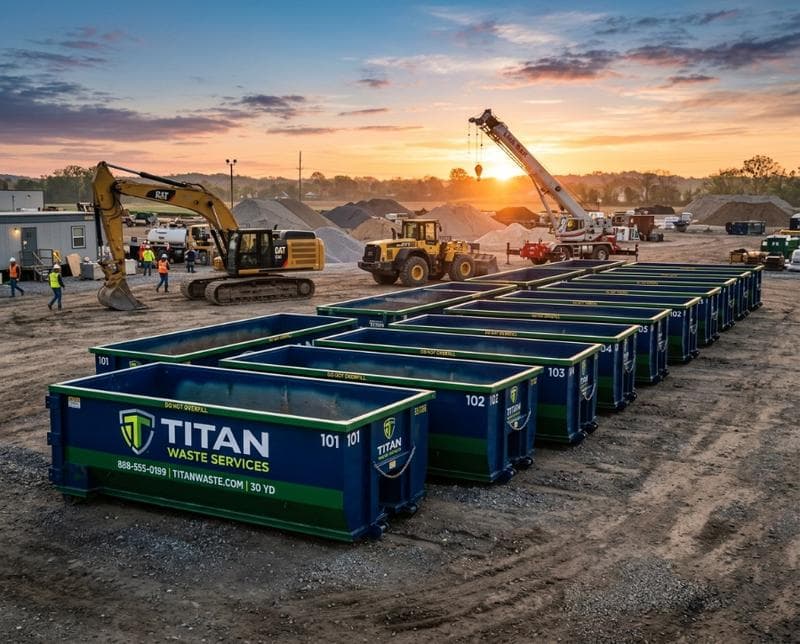
How to Scale a Dumpster Rental Business from One Truck to Multi-Yard Operations
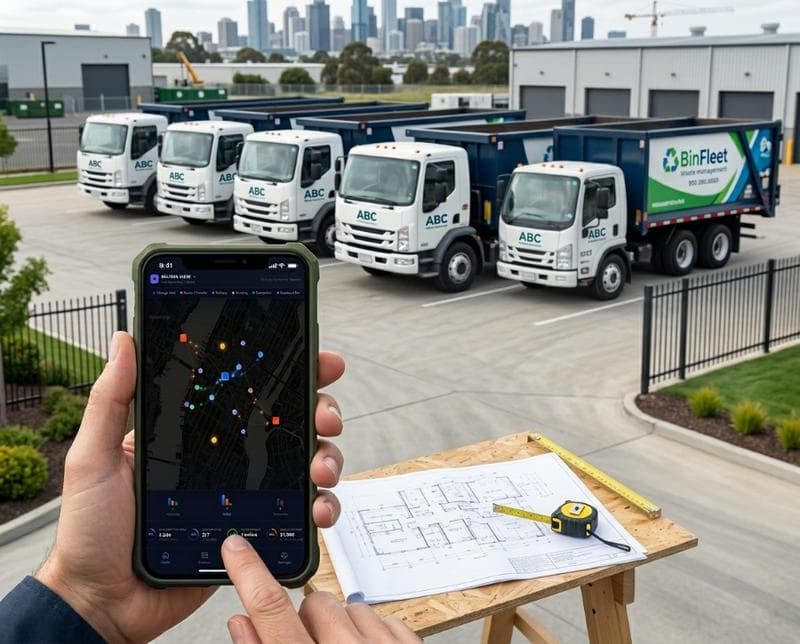
How to Scale Your Dumpster Rental Business: A Step-by-Step Growth Plan