How to Scale Your Dumpster Rental Business from One Truck to Multi-Vehicle Operations
Most dumpster rental businesses start the same way: one truck, one trailer, and the founder handling everything from sales calls to container deliveries. While this bootstrap approach works initially, scaling beyond that first vehicle requires fundamentally different thinking about operations, systems, and management. The companies that successfully grow from single-truck operations to profitable fleets share common strategies that prioritize operational efficiency over rapid expansion.
The waste hauling industry is experiencing significant consolidation, with larger players acquiring smaller operators who lack the systems to compete effectively. However, independent operators who build scalable processes early can not only survive but thrive by capturing market share from competitors who remain stuck in manual, single-operator mode. The key lies in treating your business like a system rather than a job from day one.
Building Systems Before You Need Them
The biggest mistake growing dumpster rental companies make is waiting until they're overwhelmed to implement operational systems. When you're running three trucks instead of one, the chaos of managing orders through text messages and handwritten notes becomes impossible to sustain. Smart operators begin standardizing processes while they still have time to think strategically rather than reactively.
Start by documenting every repeatable process in your current operation, from how you handle initial customer calls to your container pickup procedures. This documentation becomes the foundation for training new drivers and dispatchers as you grow. Consider implementing route optimization software and customer communication systems early, even when manually managing routes seems faster. These tools become invaluable when you're coordinating multiple drivers across different service areas.
Strategic Fleet Expansion Planning
Adding trucks without a clear expansion strategy often leads to underutilized assets and cash flow problems. Before purchasing your second vehicle, analyze your current route density and identify geographic areas where you're consistently turning down work or losing customers to faster competitors. The goal isn't just adding capacity—it's adding profitable capacity that improves overall operational efficiency.
Consider your financing options carefully when expanding your fleet. Many successful operators lease their first few additional vehicles rather than purchasing, preserving cash flow for other growth investments like technology and marketing. Calculate the minimum daily utilization rate each new truck needs to achieve profitability, including not just the vehicle payments but also insurance, maintenance, fuel, and driver wages. This analysis prevents over-expansion that could threaten your core business.
Technology Infrastructure for Growth
Manual dispatch methods that work with one or two trucks become operational bottlenecks as you scale. Investing in proper business management software isn't just about efficiency—it's about maintaining service quality while handling increased volume. Look for platforms that integrate order management, dispatch, customer communications, and billing in one system rather than trying to piece together multiple solutions.
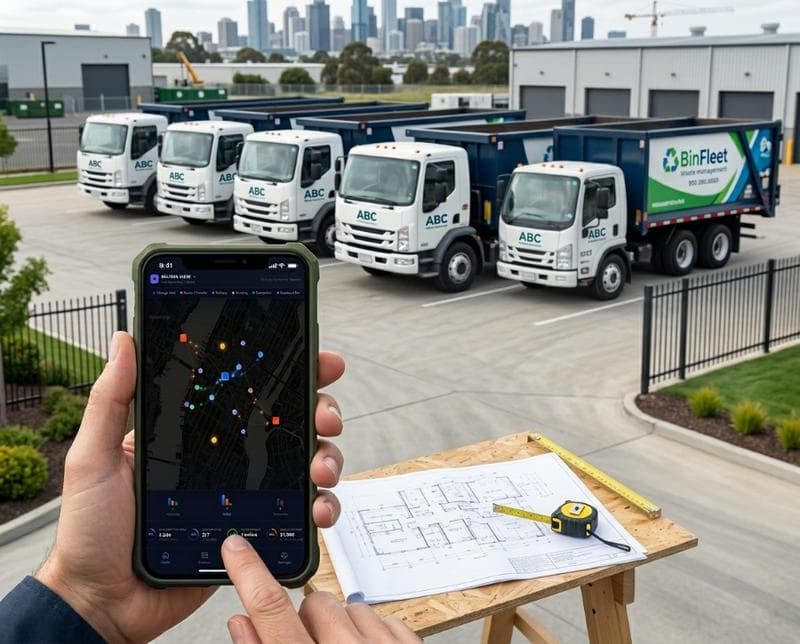
Modern dumpster rental software should provide real-time visibility into container locations, driver status, and customer communications. This visibility becomes critical when managing multiple routes simultaneously and ensuring customers receive timely delivery and pickup service. The right technology platform also generates the operational data you need to make informed decisions about route optimization, pricing, and future expansion. Platforms like BinFleet offer integrated solutions specifically designed for growing waste hauling operations.
Hiring and Training Your First Employees
Transitioning from owner-operator to employer requires developing clear job descriptions, training procedures, and performance standards. Your first hire will likely be a driver, but consider whether hiring a dispatcher or customer service representative first might provide more operational leverage. A skilled dispatcher can coordinate multiple drivers while you focus on business development and strategic planning.
Create standardized training programs that ensure consistent service quality regardless of which employee handles customer interactions. This includes safety protocols, customer communication standards, and proper equipment operation procedures. Document these training materials thoroughly—they become increasingly valuable as you hire additional staff. Remember that your early employees will likely train future hires, so investing in their development pays compounding returns.
Financial Management for Sustainable Growth
Growing businesses often face cash flow challenges as they invest in new equipment and staff before revenue catches up. Establish clear financial metrics for tracking profitability per truck, per route, and per customer to ensure expansion improves rather than erodes your margins. Many operators focus solely on revenue growth while ignoring per-unit profitability, leading to larger but less profitable operations.
Implement proper invoicing and collections procedures early in your growth phase. Late payments that don't significantly impact a single-truck operation can create serious cash flow problems when you're managing payroll for multiple employees and payments on several vehicles. Consider offering multiple payment options and automated billing systems to reduce collection times. Strong financial management becomes your competitive advantage against less organized competitors.
Competitive Positioning and Market Development
As you scale, your competitive advantages shift from personal relationships and low overhead to operational efficiency and service reliability. Larger operations can offer better service hours, faster response times, and more consistent availability than smaller competitors. Use these advantages in your marketing and customer communications to justify premium pricing where appropriate.
Develop partnerships with contractors, property managers, and other businesses that generate consistent dumpster rental needs. These relationships become more valuable as you can reliably service larger projects and handle multiple concurrent jobs. Focus on building your reputation for dependable service and professional operations rather than competing solely on price. The waste hauling businesses that scale successfully typically serve customers who value reliability over rock-bottom pricing.
Essential Scaling Checklist
- Document all current operational processes
- Implement route optimization and customer communication software
- Analyze route density before adding new vehicles
- Secure appropriate financing for fleet expansion
- Create standardized training programs for new employees
- Establish financial metrics for tracking per-truck profitability
- Develop partnerships with high-volume customers
- Set up automated invoicing and payment collection systems
Frequently Asked Questions
When should I buy my second truck?
Purchase your second vehicle when your current truck maintains 80-85% utilization for at least three consecutive months and you're consistently turning away profitable work. This ensures sufficient demand to support the additional fixed costs. Avoid expanding during seasonal slow periods unless you have guaranteed contract work.
Should I hire drivers or dispatchers first?
Consider hiring a dispatcher before additional drivers if you can handle the physical work but struggle with coordinating schedules and customer communications. A skilled dispatcher can often increase the efficiency of existing trucks more than adding another driver without proper coordination. The right choice depends on whether your bottleneck is capacity or operational coordination.
How do I maintain service quality while growing quickly?
Implement standardized procedures and invest in technology systems before you desperately need them. Create detailed training materials and standard operating procedures that ensure consistent service regardless of which employee handles customer interactions. Regular performance monitoring and customer feedback systems help identify issues before they impact your reputation.
What's the biggest mistake growing dumpster rental companies make?
Expanding too quickly without proper systems and processes in place. Many operators add trucks and drivers without implementing the operational infrastructure needed to coordinate larger operations effectively. This leads to decreased service quality, operational chaos, and often financial problems that threaten the entire business. Smart growth strategies prioritize sustainable systems over rapid expansion.
Ready to Streamline Your Operation?
See how BinFleet AI helps waste haulers save time, cut costs, and grow.
Request a Free 30-Day TrialRelated Articles
How to Scale a Dumpster Rental Business from One Truck to Multi-Yard Operations
How to Scale Your Dumpster Rental Business: A Step-by-Step Growth Plan