How to Scale Your Dumpster Rental Business From One Truck to Multiple Units
Assess Your Current Operation Before Adding Capacity
Most owners jump to buying a second truck too early—before they've maximized profitability on their first unit. Before scaling, run a hard audit of your existing operation. Calculate your actual utilization rate: what percentage of days is that truck deployed versus sitting idle? Track your revenue per deployment, average haul distance, and customer acquisition cost. If your first truck isn't running at least 70–80% capacity with healthy margins, adding trucks will only spread your problems across a bigger fleet. The goal is to prove your model works before you replicate it.
Simultaneously, identify the operational bottlenecks that will choke growth. Is dispatch eating up four hours a day because routes aren't optimized? Are you losing leads because response times are slow? Are driver logistical issues creating callbacks and customer complaints? These friction points won't disappear when you hire more drivers—they'll multiply. Spending a few months fixing your first truck's operational reality will save you thousands when you scale.
Build Financial Discipline and Cash Flow Management
Scaling a dumpster rental operation is capital-intensive and cash-flow tight. A new truck costs $30,000–$60,000+, plus containers, permits, and insurance. Most owners finance equipment, which means monthly debt service before the new truck generates enough revenue to cover it. You need a realistic 12–18 month cash flow forecast showing when that second truck breaks even. Many fast-scaling operators run out of working capital mid-growth and are forced to cut corners on maintenance, customer service, or driver quality. That never ends well.
Set a hard rule: don't add a new truck until your existing fleet is profitable enough to fund 50% of the capital cost from retained earnings. If you're borrowing 100% of the expansion cost, you're betting that growth will cure your profitability problem—it won't. Also build a 30-day operating reserve before scaling. When a truck breaks down or a new driver is slower than expected, you need cash to absorb the gap without sacrificing service or going back into debt.
Hire and Train Drivers Who Scale With You
Your drivers are your brand. A rude or careless driver destroys customer relationships that took months to build. When scaling, resist the urge to hire just anybody who has a license. Create a structured hiring process with clear expectations: background check, driving history, mechanical competency, customer service aptitude, and a fit interview. Many successful multi-truck operators hire drivers 2–3 months before they deploy the new truck, giving them time to train, shadow existing routes, and prove they fit your culture before you're dependent on them.
Invest in training that covers safety, customer communication, container positioning, and mechanical troubleshooting. Drivers who understand why things matter—not just how to do them—make better decisions independently and cost less to manage. Build a driver handbook, use onboarding checklists, and check in weekly during the first month. New drivers aren't slow because they're lazy; they're slow because they don't know the area, the customers' preferences, or the fastest workflow yet. Time spent in training pays back in customer satisfaction and faster payoff.
Implement Technology Before You Expand
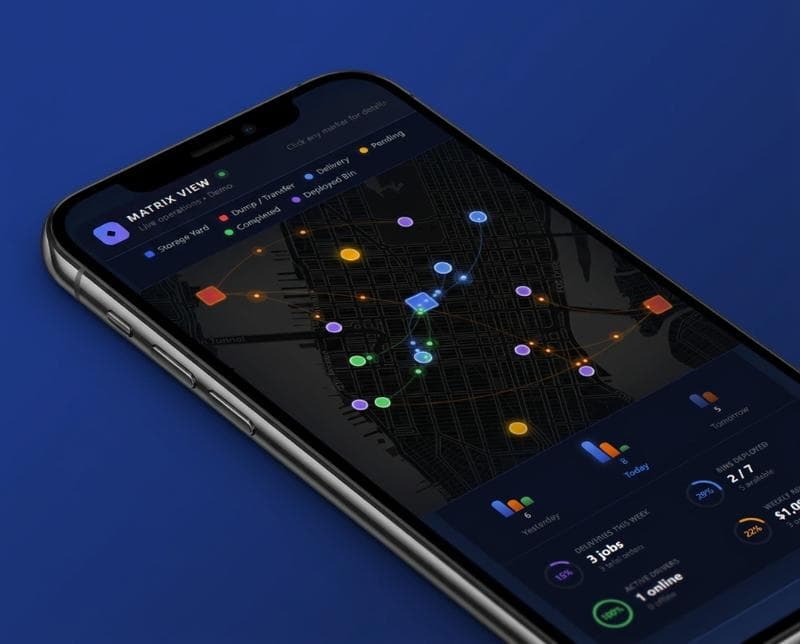
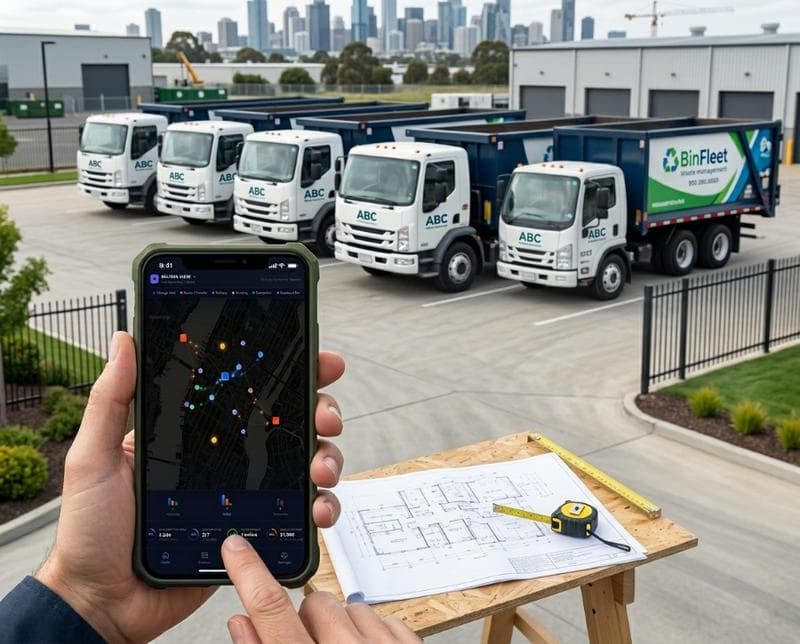
Managing one truck from a spreadsheet or handwritten log is possible. Managing three trucks that way is chaos. Before you scale, implement a dispatch and operations platform that gives you real-time visibility into where trucks are, which orders are pending, and which customers are satisfied. This is where BinFleet becomes critical—it automates dispatch, optimizes routes, tracks container inventory, and sends customers SMS updates without eating up your time. When you're running three trucks and can't reach your dispatcher, you don't know if orders are being double-booked or if a driver is lost. A real platform eliminates that blind spot.
Technology also scales your customer communication and payment collection. When you're small, you can handle a few late payments or service disputes personally. At scale, you need automated invoicing, online payment portals, and SMS confirmation workflows. These systems sound like overhead, but they actually free you to focus on growth instead of admin work. Request a free demo of BinFleet to see how other operators handle multi-truck dispatch without drowning in logistics.
Grow Customer Volume Strategically, Not Desperately
Many owners scale their truck count hoping new capacity will pull in new customers. That's backward. You should add trucks because you're running out of capacity to serve existing customers and have proven demand from new sales channels. Track your sales pipeline and lead-to-customer conversion rate. If you're closing 20% of qualified leads, adding a truck makes sense. If you're closing 5%, your problem isn't capacity—it's sales quality or marketing strategy. Build repeatable customer acquisition channels (contractors, property managers, recurring accounts) before you scale the fleet.
Once you've proven demand, add trucks strategically to service untapped geographic areas or customer segments. A second truck serving a different zip code or serving residential rather than commercial customers spreads your risk. If you add a second truck to compete for the same customers as your first, you'll end up with two half-full trucks instead of one full one. Regional expansion also justifies hiring a second dispatcher or operations manager, which lets you focus on sales and strategy instead of day-to-day logistics.
Plan for Multi-Yard Operations and Inventory Management
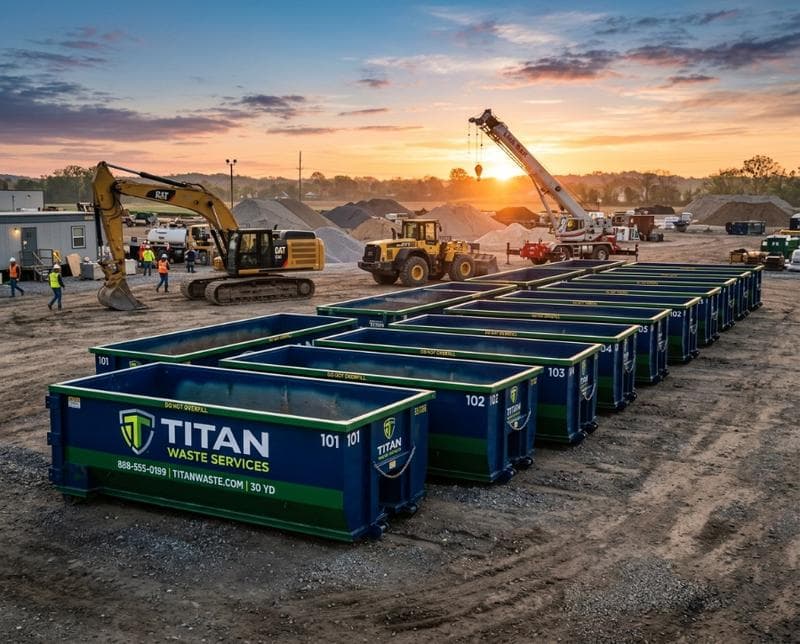
As you add trucks and expand geographically, you'll eventually need more than one yard or satellite location. Storing all containers in one central yard becomes inefficient when your service area spans 30+ miles. Consider whether you need a secondary yard, a partner garage for maintenance, or relationships with container storage facilities in outlying areas. This isn't a problem to solve immediately, but it's part of your scaling roadmap. Multi-yard operations also require tighter inventory tracking—knowing which containers are deployed, which are being serviced, and which are ready for pickup across two locations is much harder without software.
Build your container inventory deliberately. Don't buy 50 containers because you got a deal; buy the number you need based on utilization rates and lead times for repairs. Broken containers sitting in a yard aren't assets—they're working capital trapped in maintenance. A software system like BinFleet's container tracking helps you understand where every unit is and flag preventive maintenance before customers call with complaints about dented or damaged bins.
Frequently Asked Questions
How many trucks should I have before I hire a dispatcher?
Most owners can personally dispatch 2–3 trucks while keeping sales and customer relationships as their main focus. By the time you have 3–4 trucks, a dedicated dispatcher becomes essential—they free you to handle pricing, new routes, and driver management. If dispatch is still being handled by the owner at that scale, something else critical is being neglected.
What's a realistic timeline to go from one truck to three trucks?
Two to three years is typical for disciplined, cash-positive scaling. Rushing it in 12 months often creates staffing chaos and cash crunches. A slower timeline lets you train drivers properly, prove your routes, and build a reputation for reliability before you're stretched thin managing rapid growth.
Should I buy or lease equipment and trucks?
Buying gives you asset ownership and long-term cost control, but requires large capital upfront. Leasing preserves cash and flexibility but locks you into higher monthly payments over time. Most successful multi-truck operators buy trucks once they've proven profitability and lease specialized equipment that changes frequently. The right choice depends on your cash position and growth timeline.
How do I keep quality consistent across multiple drivers?
Standard operating procedures, regular training, mystery shopping (calling your own business and evaluating the experience), and customer feedback loops are essential. Pay drivers a bonus if they hit customer satisfaction targets—it aligns their incentive with your reputation. Weekly team meetings where drivers see what customers are saying creates accountability without micromanagement.
Ready to Streamline Your Operation?
See how BinFleet AI helps waste haulers save time, cut costs, and grow.
Request a Free 30-Day TrialRelated Articles
How to Scale a Dumpster Rental Business from One Truck to Multi-Yard Operations
How to Scale Your Dumpster Rental Business: A Step-by-Step Growth Plan