How to Retain CDL Drivers in Waste Hauling: Proven Strategies for 2026
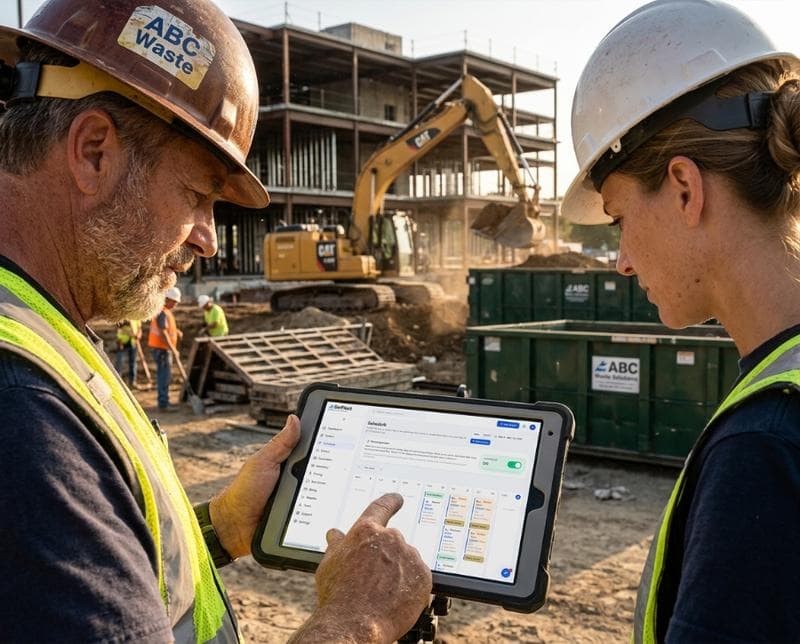
The waste hauling industry faces an unprecedented challenge in 2026: finding and keeping quality CDL drivers. With driver turnover rates averaging 94% annually across the trucking sector, waste haulers must adopt innovative retention strategies that go beyond traditional recruiting methods. The competition for skilled drivers has intensified as e-commerce delivery, construction, and other industries compete for the same talent pool.
Understanding driver motivations has become critical for successful retention. Today's drivers value work-life balance, competitive compensation, and career growth opportunities more than ever before. Waste hauling companies that recognize these shifting priorities and adapt their employment practices accordingly see significantly lower turnover rates and higher driver satisfaction scores.
Creating Competitive Compensation Packages
Successful waste haulers in 2026 structure compensation packages that extend beyond base hourly rates. Performance bonuses tied to safety records, customer service ratings, and route efficiency create additional earning opportunities that motivate drivers to excel. Companies are also offering quarterly retention bonuses, paid time off that increases with tenure, and comprehensive health insurance packages that include family coverage options.
The most effective compensation strategies include transparency about earning potential during the hiring process. Drivers appreciate knowing exactly how much they can earn through various performance metrics and overtime opportunities. Some operators have implemented profit-sharing programs where experienced drivers receive a percentage of route profitability, creating a direct link between driver performance and company success.
Implementing Technology That Supports Drivers
Modern waste management software transforms the driver experience by eliminating paperwork burdens and streamlining daily operations. Advanced routing systems optimize daily schedules, reducing unnecessary driving time and allowing drivers to complete routes more efficiently. GPS tracking and mobile apps provide real-time communication between drivers and dispatch, reducing confusion about route changes or customer requests.
Technology also improves driver safety through automatic maintenance alerts, vehicle performance monitoring, and digital pre-trip inspection tools. When drivers feel supported by reliable equipment and clear communication systems, job satisfaction increases significantly. Integrated dispatch systems enable drivers to update job statuses, report issues, and communicate with customers directly from their mobile devices, giving them more control over their daily workflows.
Building a Strong Training and Safety Culture
Comprehensive training programs reduce new driver anxiety while building confidence in handling waste collection equipment and customer interactions. The best programs combine classroom instruction with hands-on mentorship, pairing new drivers with experienced team members for their first few weeks. This approach ensures safety standards are maintained while helping new hires integrate into company culture more effectively.
Safety incentive programs create positive reinforcement for careful driving practices. Monthly safety awards, annual recognition ceremonies, and team-based safety challenges foster a culture where drivers look out for each other. Companies that track and celebrate safety milestones see reduced accident rates and workers' compensation claims, while drivers feel valued for their professional skills and commitment to excellence.
Offering Career Advancement Opportunities
Many drivers view waste collection as a stepping stone rather than a career destination, but companies can change this perception by creating clear advancement paths. Experienced drivers can progress to trainer positions, lead driver roles, or equipment specialist positions that come with increased responsibilities and higher compensation. Some operators offer tuition reimbursement for drivers pursuing additional certifications or management training.
Cross-training opportunities allow drivers to learn different aspects of the business, from customer service to basic equipment maintenance. This variety prevents job monotony while developing valuable skills that benefit both the driver and company. Promoting from within whenever possible demonstrates to current drivers that loyalty and performance lead to genuine career growth opportunities.
Improving Work-Life Balance and Scheduling
Predictable schedules rank among the top priorities for CDL drivers considering job opportunities in 2026. Waste haulers that offer consistent start times, reasonable daily route lengths, and guaranteed days off attract higher-quality candidates and retain them longer. Some companies implement four-day work weeks or flexible scheduling options that allow drivers to better manage personal responsibilities.
Respecting drivers' time extends beyond scheduled hours to include efficient route planning and adequate break periods. Overloading routes or consistently requiring excessive overtime leads to burnout and turnover. Smart operators use data analytics to balance route efficiency with driver satisfaction, ensuring that productivity gains don't come at the expense of employee well-being.
Measuring and Improving Retention Rates
Tracking retention metrics provides insight into which strategies work best for your specific operation. Key indicators include average tenure length, exit interview feedback, and driver satisfaction survey results. Companies that regularly assess these metrics can identify problems early and implement targeted solutions before losing valuable employees.
Regular check-ins with drivers through informal conversations and formal reviews help management understand driver concerns before they become resignation reasons. Successful waste hauling operations maintain open communication channels where drivers feel comfortable discussing challenges, suggesting improvements, and providing feedback about company policies. This ongoing dialogue builds trust and demonstrates that management values driver input.
Frequently Asked Questions
What starting salary should I offer to attract quality CDL drivers?
Competitive starting salaries for waste hauling CDL drivers in 2026 typically range from $22-28 per hour, depending on your local market and experience requirements. Research prevailing wages in your area and consider offering 10-15% above market rate to attract top candidates. Remember that total compensation including benefits, bonuses, and overtime opportunities often matters more than base hourly rates.
How long should my driver training program last?
Effective training programs typically run 2-4 weeks, combining classroom instruction with supervised on-route experience. The first week should cover safety protocols, equipment operation, and customer service standards, while subsequent weeks focus on route familiarization and independent operation under mentor guidance. Extending training beyond four weeks can delay productivity without significantly improving retention outcomes.
Should I hire drivers without waste hauling experience?
Hiring inexperienced CDL drivers can be highly successful when combined with comprehensive training and competitive compensation. Many operators find that drivers from other trucking sectors adapt quickly to waste collection once properly trained. Focus on hiring candidates with clean driving records, strong work ethics, and positive attitudes rather than limiting yourself to experienced waste haulers only.
How can I reduce driver turnover during the first 90 days?
The first 90 days are critical for new driver retention. Implement regular check-ins at 30, 60, and 90 days to address any concerns early. Pair new drivers with experienced mentors and ensure they receive adequate support during route learning. Clear communication about expectations, performance feedback, and recognition for early achievements help new hires feel valued and confident in their role.
Ready to Streamline Your Operation?
See how BinFleet AI helps waste haulers save time, cut costs, and grow.
Request a Free 30-Day TrialRelated Articles
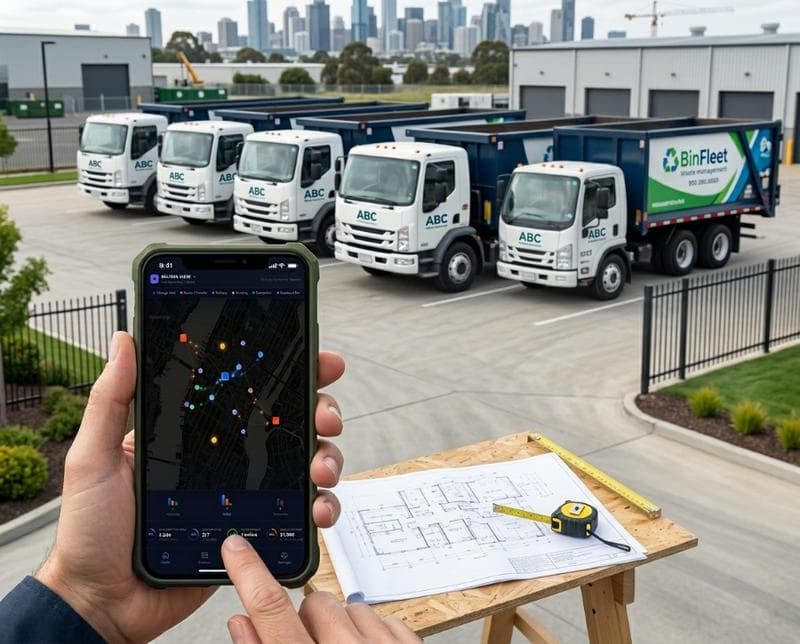
How Waste Haulers Can Win the Driver Retention Battle in 2026
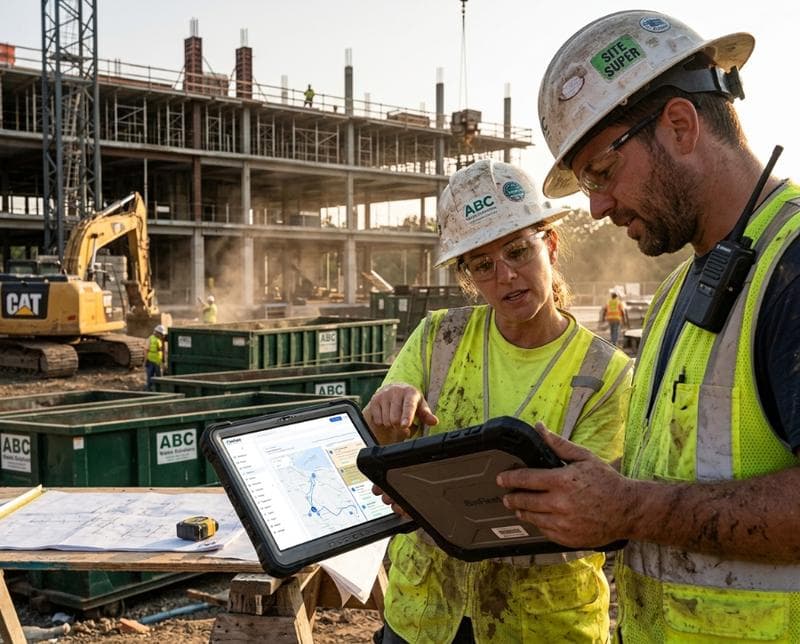
How Waste Haulers Can Recruit and Retain Quality CDL Drivers in 2026