Fleet Management for Waste Haulers: Streamlining Multi-Truck Operations in 2026
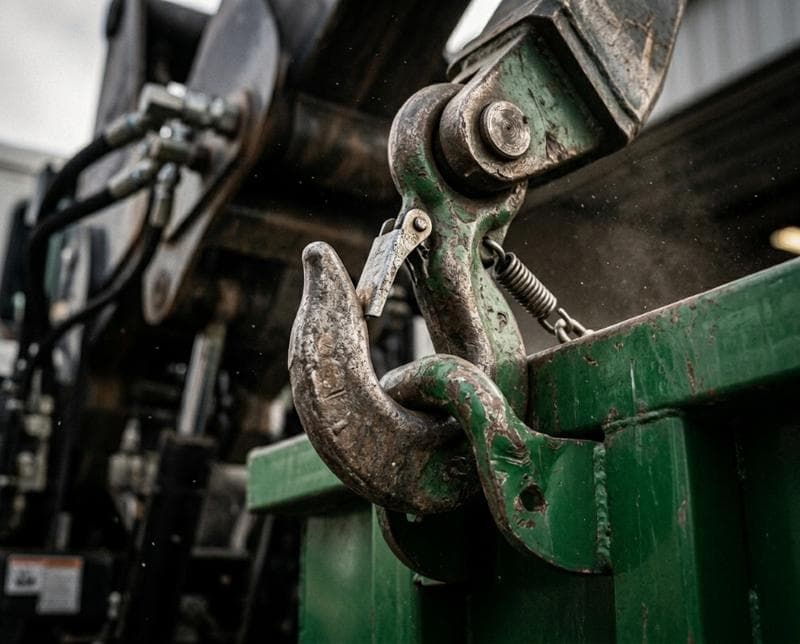
Managing a waste hauling fleet with multiple trucks, drivers, and yard locations presents unique challenges that can make or break operational efficiency. As the industry evolves toward more sophisticated logistics requirements, haulers need systems that provide real-time visibility across their entire operation. The complexity multiplies when you're coordinating container deliveries, pickups, driver schedules, and maintenance across different service areas while keeping customers informed about their service status.
Traditional fleet management often relies on spreadsheets, radio communications, and manual dispatch processes that become unwieldy as operations scale. Modern waste haulers are discovering that centralized fleet management platforms can transform their operational efficiency, reduce fuel costs, and improve customer satisfaction. These systems integrate vehicle tracking, driver management, route optimization, and customer communications into a unified platform that gives operators complete control over their multi-truck operations.
Real-Time Vehicle Tracking and Location Management
Knowing exactly where your trucks are at any given moment eliminates the guesswork that plagues traditional dispatch operations. GPS tracking integrated with your fleet management system provides dispatchers with live vehicle locations, current job status, and estimated arrival times for pending deliveries or pickups. This visibility becomes critical when customers call asking about their service, when emergency jobs arise, or when you need to reroute drivers due to traffic or equipment issues.
The operational impact extends beyond simple location tracking to include comprehensive job progress monitoring. Fleet managers can see which containers have been delivered, which pickups are complete, and which drivers are running behind schedule. This real-time intelligence allows for proactive customer communication and dynamic route adjustments that keep operations running smoothly even when unexpected situations arise.
Driver Scheduling and Dispatch Optimization
Coordinating multiple drivers across different trucks and service areas requires sophisticated scheduling tools that account for driver availability, truck capacity, geographic coverage, and job priorities. Modern fleet management platforms automate much of this coordination by matching available drivers with appropriate vehicles and optimizing route assignments based on location, container types, and delivery windows. This systematic approach reduces the time dispatchers spend manually creating daily routes and eliminates conflicts that arise from overlapping assignments.
Driver communication becomes seamless when integrated into the fleet management system through mobile apps that deliver job details, route changes, and customer information directly to drivers' devices. These tools eliminate the need for constant radio check-ins and phone calls, allowing drivers to focus on safe and efficient service delivery. The system can automatically update job status as drivers complete deliveries or pickups, keeping the central dispatch informed without manual reporting.
Multi-Yard Coordination and Inventory Management
Operating multiple yards or storage locations creates inventory management challenges that require careful coordination to prevent container shortages or overstock situations. Fleet management systems provide visibility into container inventory across all locations, allowing operators to balance stock levels and coordinate transfers between yards as needed. This centralized inventory view prevents situations where one location runs out of containers while another has excess capacity sitting unused.
The coordination extends to maintenance scheduling and equipment allocation across multiple locations. Fleet managers can track which trucks are due for service, coordinate maintenance across different yards, and ensure backup equipment is available when primary vehicles are out of service. This comprehensive view of fleet health and availability prevents service disruptions and helps maintain consistent service quality across all operating locations.
Route Optimization for Maximum Efficiency
Efficient routing becomes exponentially more complex when managing multiple trucks serving different areas with varying container types and customer requirements. Advanced route optimization algorithms consider factors like traffic patterns, delivery windows, container weights, and truck capacities to create the most efficient daily routes. These systems can process hundreds of variables simultaneously to generate routes that minimize fuel consumption, reduce drive time, and maximize the number of jobs completed per day.
Dynamic route adjustment capabilities allow fleet managers to respond to changing conditions throughout the day without completely rebuilding schedules. When emergency jobs arise, customers reschedule, or equipment issues occur, the system can quickly recalculate optimal routes and communicate changes to affected drivers. This flexibility maintains operational efficiency even when dealing with the unexpected situations that are common in waste hauling operations.
Performance Analytics and Fleet Insights
Data-driven fleet management relies on comprehensive analytics that track key performance metrics across vehicles, drivers, and service areas. Modern platforms collect data on fuel consumption, job completion times, customer satisfaction scores, and equipment utilization rates to identify trends and optimization opportunities. These insights help fleet managers make informed decisions about resource allocation, identify top-performing drivers, and spot inefficiencies that may not be obvious from day-to-day operations.
Historical performance data becomes invaluable for strategic planning and operational improvements. Fleet managers can analyze seasonal trends, identify peak demand periods, and optimize staffing levels accordingly. The data also supports maintenance planning by tracking vehicle performance patterns and predicting when preventive maintenance will be needed. This analytical approach transforms fleet management from reactive problem-solving to proactive optimization.
Integration and Scalability for Growing Operations
Successful fleet management platforms integrate seamlessly with existing business systems including customer management, billing, and accounting software. This integration eliminates duplicate data entry and ensures consistent information across all business functions. As waste hauling operations grow, the platform should scale to accommodate additional trucks, drivers, and service areas without requiring significant system changes or staff retraining.
The scalability extends to advanced features like automated customer notifications, electronic billing integration, and regulatory compliance reporting. Modern waste haulers need systems that can adapt to changing industry requirements and support business growth without creating operational bottlenecks. Platforms like BinFleet provide this scalability while maintaining the operational simplicity that busy fleet managers require for daily operations management.
Frequently Asked Questions
How quickly can drivers adapt to using fleet management mobile apps?
Most drivers adapt to fleet management mobile apps within a few days of training, especially when the interface is designed for simplicity. The key is choosing platforms with intuitive design that minimizes the learning curve. Regular drivers typically become proficient within a week when proper training and support are provided during the transition period.
What happens if GPS tracking fails or mobile connectivity is poor in service areas?
Quality fleet management systems include offline functionality that allows drivers to continue working even when connectivity is intermittent. Job information and route details are stored locally on mobile devices, and data syncs automatically when connection is restored. Backup communication methods like radio or phone ensure operations can continue during technical difficulties.
Can fleet management systems help reduce fuel costs across multiple trucks?
Yes, fleet management systems typically reduce fuel costs by 10-15% through optimized routing, reduced idle time monitoring, and elimination of unnecessary trips. The systems identify the most efficient routes and help dispatchers make better decisions about vehicle assignments. Real-time tracking also helps identify and correct inefficient driving patterns that waste fuel.
How does centralized fleet management improve customer service?
Centralized systems provide customer service representatives with real-time job status, accurate arrival time estimates, and complete service history. This information allows for proactive customer communication and quick resolution of service questions. Automated notifications keep customers informed about delivery and pickup schedules without requiring manual coordination from office staff.
Managing a multi-truck waste hauling operation requires sophisticated coordination that goes far beyond traditional dispatch methods. Modern fleet management platforms provide the tools and insights needed to optimize operations, reduce costs, and improve service quality across your entire fleet. Learn more about operational optimization strategies or see how BinFleet can streamline your fleet management with a free demonstration of our comprehensive platform.
Ready to Streamline Your Operation?
See how BinFleet AI helps waste haulers save time, cut costs, and grow.
Request a Free 30-Day TrialRelated Articles
Scaling a Dumpster Rental Business: Your Step-by-Step Growth Plan
How a Driver App Transforms Waste Hauling Operations in 2026