Complete Fleet Management Solutions for Multi-Location Waste Haulers
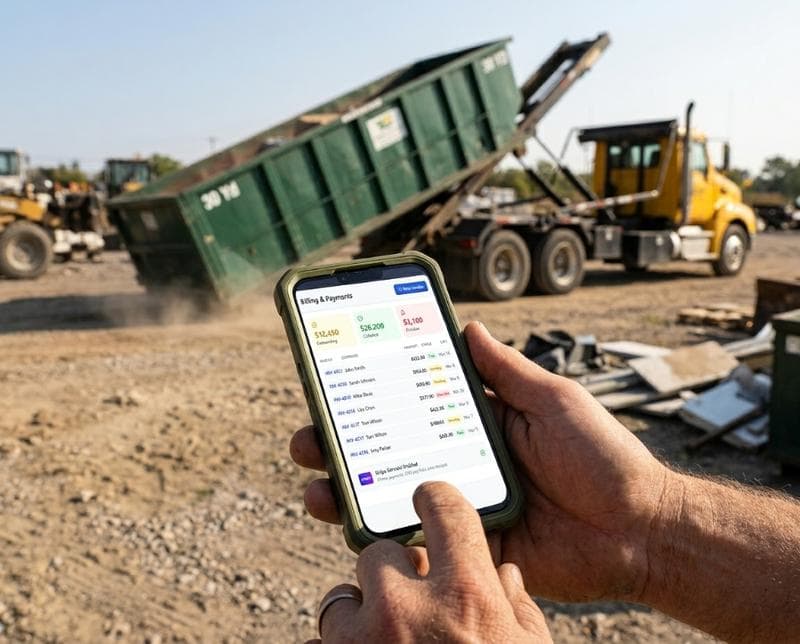
Managing a waste hauling fleet across multiple locations has evolved far beyond clipboard tracking and radio check-ins. Today's successful haulers coordinate dozens of trucks, hundreds of daily routes, and multiple yard facilities through integrated platforms that provide real-time visibility into every aspect of their operation. The complexity of modern waste management demands systems that can handle dynamic routing, driver communication, inventory tracking, and cross-location coordination simultaneously.
The stakes have never been higher for operational efficiency in waste hauling. Fuel costs, labor shortages, and customer expectations for reliable service create pressure that traditional management methods simply cannot withstand. Fleet operators who embrace comprehensive management platforms consistently outperform competitors by reducing fuel waste, optimizing driver productivity, and maintaining higher customer satisfaction scores across all their service areas.
Real-Time Fleet Visibility Across Multiple Locations
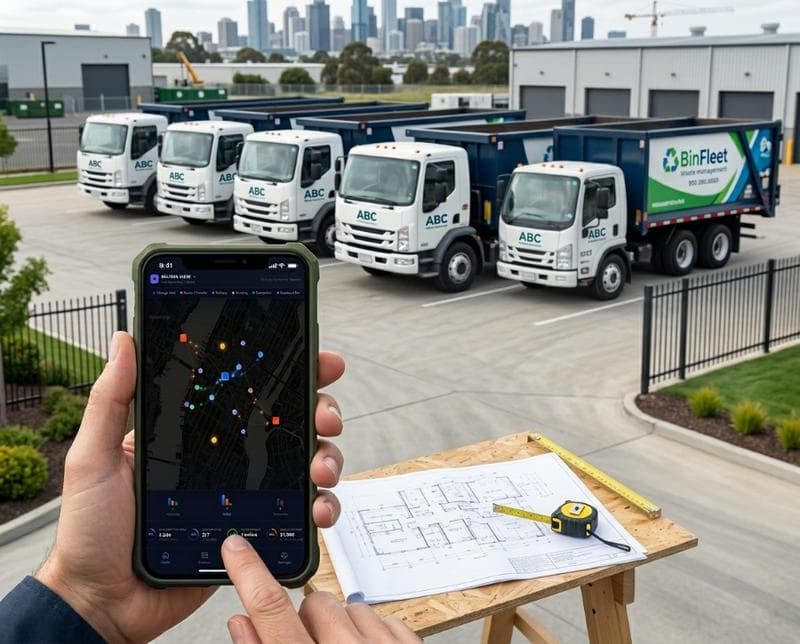
Modern fleet management begins with knowing exactly where every truck operates at any given moment, regardless of which yard they originated from or which territory they're serving. Advanced GPS tracking integrated with dispatch systems provides fleet managers with live maps showing truck locations, route progress, and estimated completion times across all service areas. This visibility eliminates the guesswork that once plagued multi-location operations, where dispatchers struggled to coordinate between yards and often made decisions based on outdated information.
The real power emerges when this location data connects directly to customer communication systems and route optimization engines. Fleet managers can instantly identify which trucks are closest to emergency pickups, reroute drivers around traffic delays, and provide customers with accurate arrival windows without making multiple phone calls or radio check-ins. This level of coordination transforms reactive management into proactive operation, where problems get solved before they impact service quality or customer relationships.
Streamlined Driver Communication and Assignment
Effective fleet management depends heavily on clear, instant communication with drivers across multiple shifts and locations. Modern platforms replace fragmented radio systems and paper route sheets with unified mobile applications that deliver route assignments, customer updates, and priority changes directly to driver smartphones or in-cab tablets. This centralized communication eliminates confusion about pickup priorities, route modifications, and special customer requirements that often arise when managing large, geographically dispersed operations.
Driver assignment becomes significantly more strategic when fleet managers can view driver qualifications, location, equipment compatibility, and current workload from a single dashboard. Instead of manually tracking which drivers are certified for specific equipment types or familiar with particular service areas, automated systems can suggest optimal assignments based on multiple factors including travel time, driver expertise, and workload balance. This intelligent assignment capability reduces downtime, improves route efficiency, and ensures customers receive service from appropriately qualified drivers.
Cross-Location Inventory and Equipment Coordination
Managing container inventory across multiple yards requires precise tracking of equipment location, condition, and availability to prevent shortages in one area while maintaining excess inventory in another. Integrated inventory management systems provide real-time visibility into container counts, maintenance schedules, and deployment status across all facilities, enabling fleet managers to make informed decisions about equipment transfers and maintenance scheduling. This comprehensive view prevents costly emergency container deliveries and ensures optimal equipment utilization across the entire operation.
Equipment maintenance coordination becomes particularly critical in multi-location operations where trucks and containers move between facilities regularly. Centralized maintenance tracking ensures that scheduled services occur regardless of which yard a truck returns to, while automated alerts prevent equipment failures that could disrupt service across multiple territories. This proactive approach to maintenance management reduces unexpected breakdowns, extends equipment life, and maintains consistent service reliability across all locations.
Unified Route Optimization Across Service Areas
Route optimization for multi-location operations requires sophisticated algorithms that consider cross-territorial opportunities, driver overtime regulations, and equipment constraints simultaneously. Advanced routing systems analyze pickup density, traffic patterns, and driver schedules across all service areas to create optimized routes that minimize fuel consumption while maximizing productive capacity. This comprehensive optimization approach often reveals opportunities for cross-territorial efficiency that manual route planning would never identify.
The most significant benefits emerge when route optimization integrates with real-time operational data including traffic conditions, customer availability, and equipment status. Dynamic re-routing capabilities allow fleet managers to respond instantly to service disruptions, customer changes, or equipment issues without compromising efficiency across other routes or territories. This flexibility transforms rigid route schedules into adaptive systems that maintain high performance despite the inevitable complications of daily operations.
Integrated Customer Communication and Service Updates
Customer communication in multi-location operations requires coordination that prevents conflicts between different service teams while ensuring consistent messaging across all territories. Integrated communication platforms automatically send pickup confirmations, delay notifications, and service updates from whichever location manages each customer's account, eliminating confusion about which office to contact for service issues. This unified approach creates seamless customer experiences regardless of operational complexity behind the scenes.
Automated service updates become particularly valuable when managing large customer bases across multiple territories, where manual communication would be impossible to maintain consistently. Systems that integrate route progress with customer communication send accurate arrival notifications, pickup confirmations, and service completion updates without requiring dispatcher intervention. This automation ensures reliable customer communication while freeing staff to focus on exception handling and service improvement rather than routine status updates.
Performance Analytics and Multi-Yard Reporting
Comprehensive performance analysis across multiple locations requires data aggregation and reporting capabilities that reveal both individual location performance and overall operational efficiency trends. Modern fleet management platforms generate detailed analytics covering fuel efficiency, route performance, driver productivity, and customer satisfaction metrics across all facilities, enabling management to identify successful practices for replication and problem areas requiring attention. These insights drive continuous improvement initiatives that enhance performance across the entire operation.
The most valuable reporting features provide comparative analysis between locations, revealing opportunities for knowledge transfer and resource optimization that might otherwise remain hidden. Fleet managers can identify which yards achieve superior efficiency metrics and analyze the operational practices that drive their success, then implement similar approaches across other locations. This data-driven approach to operational improvement accelerates performance gains while ensuring that successful practices spread throughout the organization rather than remaining isolated to individual locations.
FAQ
How do fleet management platforms handle driver scheduling across multiple shifts and locations?
Modern platforms integrate driver availability, location, and qualification data to automate scheduling across shifts and yards. The system considers travel time between locations, overtime regulations, and equipment certifications to create optimal schedules. Automated notifications ensure drivers receive schedule updates instantly, while managers can make real-time adjustments based on operational needs.
Can fleet management systems coordinate equipment transfers between different yard locations?
Yes, integrated inventory management tracks equipment location and availability across all yards in real-time. The system identifies transfer opportunities when one location has excess inventory while another faces shortages. Automated alerts notify managers about optimal transfer timing, and the platform coordinates logistics to ensure efficient equipment movement between facilities.
What happens when trucks break down away from their home yard?
Fleet management platforms immediately identify the closest available backup equipment and qualified drivers from any location within the network. The system automatically reroutes affected customers to alternative trucks while coordinating towing or repair services. This unified approach minimizes service disruptions while ensuring customers receive their scheduled pickups despite equipment failures.
How do these platforms prevent double-booking customers across multiple service territories?
Integrated customer databases maintain unified records across all locations, preventing scheduling conflicts when service territories overlap or change. The platform tracks customer assignments, service history, and territory boundaries to ensure only appropriate locations can schedule services. Automatic conflict detection alerts managers to potential issues before they impact customer service.
Managing fleet operations across multiple locations requires sophisticated coordination that traditional methods simply cannot provide. Modern fleet management platforms integrate all aspects of multi-yard operations into unified systems that improve efficiency, reduce costs, and enhance customer satisfaction. To see how these solutions can transform your multi-location operations, explore BinFleet's comprehensive platform and discover the difference integrated fleet management can make for your waste hauling business.
Ready to Streamline Your Operation?
See how BinFleet AI helps waste haulers save time, cut costs, and grow.
Request a Free 30-Day TrialRelated Articles
Scaling a Dumpster Rental Business: Your Step-by-Step Growth Plan
How a Driver App Transforms Waste Hauling Operations in 2026