Master Your Dumpster Swap Workflow: Keep Customers Happy, Routes Efficient
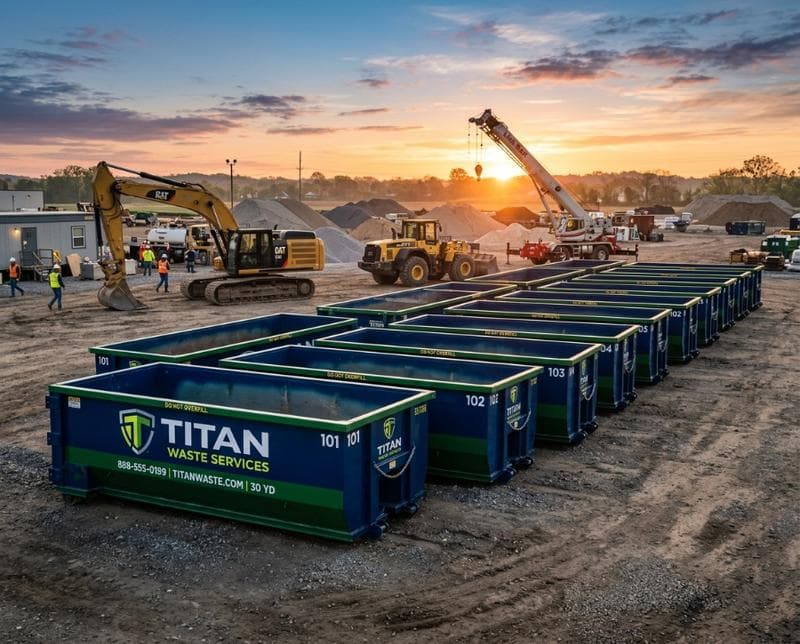
Why Your Swap Workflow Matters More Than You Think
A dumpster swap sounds simple: pull a full container, drop an empty one, and move on. But in reality, swaps represent some of your most complex operational moments. Your driver arrives at a customer's site only to find the container blocked by a parked car. Meanwhile, your dispatcher doesn't know if that swap happened or not, so they can't confirm the next job. The customer waits, frustrated. Your route falls behind. By day's end, you've lost an hour of productivity and two customer satisfaction points.
The real issue isn't the swap itself—it's visibility and coordination. When swaps aren't tracked properly, your dispatcher can't optimize routes, your drivers waste time hunting for inventory, and your customers experience unpredictable service windows. A smooth swap workflow, by contrast, keeps everyone informed, reduces idle time, and turns routine swaps into a reliable revenue stream. The difference between chaos and efficiency often comes down to whether your team has the right tools and process in place.
The Core Elements of a Solid Swap Workflow
Every efficient swap workflow rests on three pillars: clear customer communication, real-time inventory tracking, and driver accountability. When a customer calls to request a swap, they need a precise time window—not "sometime tomorrow." Your dispatcher needs visibility into which containers are where, which are full, and which are staged and ready to go. Your driver needs to know exactly what they're picking up and dropping off before they leave the yard. Without these elements aligned, even the best-intentioned team will create friction.
The second layer is documentation. After a swap completes, someone needs to record it—which container came off, which went in, whether the old one was full or partially used, and any damage or issues. This data feeds back into your billing system, your inventory count, and your quality control. Most companies that struggle with swaps skip this step, creating gaps that cascade into billing disputes and lost containers. A solid workflow makes documentation automatic or at least frictionless, so drivers aren't spending 10 minutes per stop writing notes.
Coordination Between Dispatch, Drivers, and Inventory
Dispatch is the nervous system of your swap operation. The dispatcher needs a live view of which containers are available at each yard, which customers have requested swaps, and which driver is closest to complete each job. Without this visibility, dispatchers guess—and guessing leads to drivers arriving on site with the wrong container or no container at all. The best dispatch workflows blend a smart routing engine with manual overrides, because some swaps are time-sensitive or tied to specific customer preferences that an algorithm won't catch.
Your driver is the boots on the ground. They need to know the job details before arrival: customer name, address, site access notes, which container to pick up, and which to deliver. Too many drivers still rely on written directions or printouts, which go missing or become outdated. A mobile app that shows the full job context—photos from the last service, notes about tricky parking, any special instructions from the customer—turns each swap into a smooth transaction rather than a guessing game. When drivers can snap a photo after the swap and send it to dispatch in seconds, your accountability chain is complete.
Timing, Scheduling, and Customer Expectations
Customers hate uncertainty. When you tell them "we'll swap your bin sometime between 8 AM and 5 PM," they block off their whole day. A better approach is building a swap schedule that respects both your route efficiency and your customer's schedule. This means batching swaps in geographic zones, scheduling them on predictable days of the week, and communicating confirmed time windows to customers at least 24 hours in advance. Some customers will always need urgent swaps, but if you can predictably handle 70% of swaps on a routine schedule, you'll have capacity to handle the 30% that don't fit the mold.
Technology makes this possible. Instead of a dispatcher manually texting six drivers to see who can handle a rush swap, a smart system suggests the closest available driver, calculates arrival time, and routes the swap into the driver's queue without disrupting the rest of their day. Customer communication happens automatically: they get a text with a confirmed window, a reminder an hour before, and a notification once the swap is complete. This kind of automation doesn't require expensive customization—it's a function of having the right platform built for your industry, not a generic SaaS tool designed for pizza delivery.
Avoiding Common Swap Workflow Failures
The most common failure point is the missing handoff. Your dispatcher schedules a swap, but the message doesn't reach the driver until they're already across town. Or the driver completes the swap but forgets to mark it in the system, so dispatch thinks it's still pending and double-books that container. These failures compound: a single missed swap triggers a cascade of confused customers and scrambled recovery efforts. The fix is redundancy with simplicity. If your system sends a job to your driver's phone, add a voice call or text confirmation for high-priority swaps. If the driver must confirm completion, make it a one-tap action in their app, not a form to fill out.
Another common issue is inventory mismanagement. You think you have 12 clean, available containers at your warehouse, but three are damaged and under repair, two are at the maintenance shop, and one is still en route from a job. Your dispatcher assigns a container that doesn't actually exist, the driver shows up empty-handed, and the customer is furious. Real-time inventory tracking prevents this. It means maintaining a live count of containers by status—in service, full, empty, damaged, in transit—and updating that count every single time a swap or delivery happens. BinFleet shows you this visibility at a glance, so dispatchers never assign a container that isn't available.
Building a Repeatable, Scalable Swap Process
A repeatable process is the foundation of scale. If every swap is handled differently—one driver texts photos, another emails an invoice, a third does nothing—you can't improve. Document your ideal swap workflow: what information the dispatcher needs to collect, how it gets communicated to the driver, what the driver does on arrival, how completion gets documented, and how billing gets triggered. This becomes your standard. Then identify where your current process breaks that standard and fix those gaps first.
Scalability also means building buffer into your schedule. If you can handle 20 swaps per day with your current team, plan for 15 and use the extra capacity for difficult jobs, customer requests, or unexpected issues. As you grow and add drivers, that throughput increases, but it only does so if your workflow is documented and repeatable. A demo of a modern dispatch platform will show you how this scales. You can go from 3 drivers handling swaps reactively to 15 drivers executing a choreographed daily schedule, all without creating chaos.
FAQ: Real Questions About Swap Workflows
How do we handle urgent swap requests when our schedule is already full?
Reserve 10-15% of your daily capacity for urgent swaps. When an urgent request comes in, your dispatcher can either reschedule a low-priority job or ask an available driver to take the urgent swap as an add-on. If neither option works, you offer the customer a specific time window the next day and explain why waiting is necessary. Transparency beats false promises every time.
What happens if a driver swaps the wrong container or forgets to take the old one?
This is why photo documentation matters. A photo taken after the swap creates proof of what was delivered and removed. If a discrepancy is later reported, you have evidence. Build a simple protocol: driver snaps a photo of the customer's site showing the new container and the old one staged for pickup (or already loaded). This takes 30 seconds and prevents most disputes.
Should swaps be scheduled on fixed days or handled on-demand?
The best approach is hybrid. Offer scheduled swaps on predictable days—say, Mondays and Thursdays in each zone—so customers know when to expect service and you can build efficient routes. Reserve on-demand capacity for customers willing to pay a premium for flexibility. This gives you predictability plus revenue growth without sacrificing service quality.
How do we track which containers are being swapped vs. delivered for the first time?
Tag each job in your system as either a swap, a delivery, or a pickup. This classification drives different workflows: a swap requires matching the customer's old container with a replacement, while a delivery might allow flexibility in which container type you use. Your dispatch system should require this classification before assigning a job, so drivers never wonder what they're supposed to do.
Next Steps: Making Swaps Predictable
A smooth dumpster swap workflow doesn't happen by accident. It requires visible processes, real-time data, and communication tools that work for your team and your customers. If you're currently managing swaps through texts, phone calls, and memory, you're leaving efficiency on the table. The good news is that modern platforms designed for waste operations can automate most of this coordination, turning your swap operation from a pain point into a strength. Start by documenting your current process, identifying where it breaks, and testing a solution that gives you visibility and accountability. A look at how other haulers structure their operations might spark ideas, or you can jump straight into testing a modern platform yourself. The goal is simple: make swaps so predictable and efficient that both your team and your customers feel confident every time they book one.
Ready to Streamline Your Operation?
See how BinFleet AI helps waste haulers save time, cut costs, and grow.
Request a Free 30-Day TrialRelated Articles
Dumpster Route Optimization: How to Reduce Fuel Costs and Maximize Daily Stops
Waste Hauler Technology Trends Reshaping Operations in 2025-2026