How to Scale Your Dumpster Rental Business: A Step-by-Step Growth Plan
Know When You're Ready to Scale
Before you invest in a second truck, you need proof that your current operation is genuinely profitable and repeatable. Too many haulers buy equipment hoping demand will follow, only to find themselves with idle assets and rising overhead. The real signal that you're ready to scale is consistent demand that exceeds your current capacity—customers you're turning away, long booking wait times, or a steady backlog of repeat clients who trust your service.
Financial readiness matters just as much as operational readiness. You should have enough cash reserves to cover the down payment on new equipment without depleting your working capital, and ideally you've already achieved 15-20% net margins on your single truck operation. If you're barely breaking even now, scaling won't fix the problem—it'll amplify it. Take time to audit your current numbers, understand your cost per pickup and average revenue per route, and confirm that your business model actually works before you attempt to replicate it.
Build Systems Before Adding Trucks
The biggest mistake growing waste companies make is adding capacity before adding infrastructure. Your first truck probably runs on phone calls, spreadsheets, and memory. A second truck will expose every gap in your process. You need basic systems in place for dispatch, customer communication, billing, and inventory tracking before your fleet reaches three or more vehicles. Without them, you'll spend more time managing chaos than managing growth.
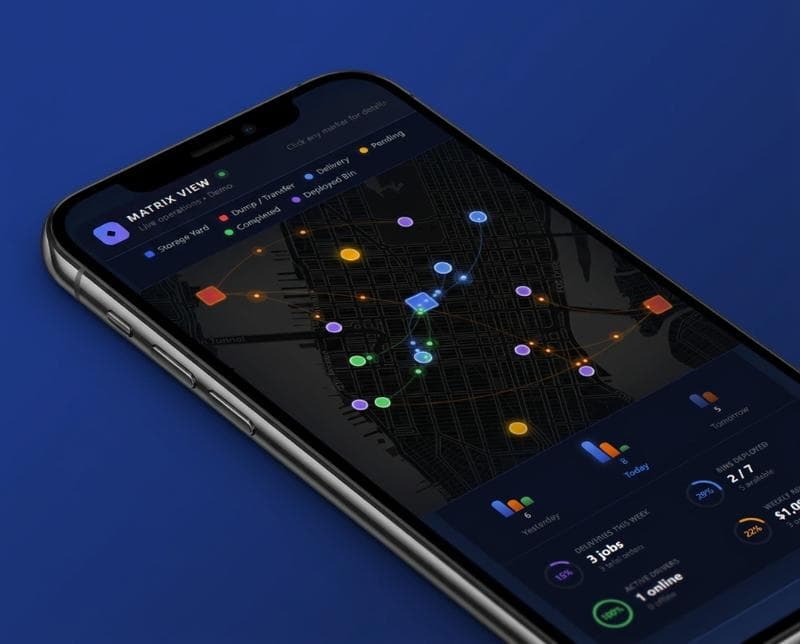
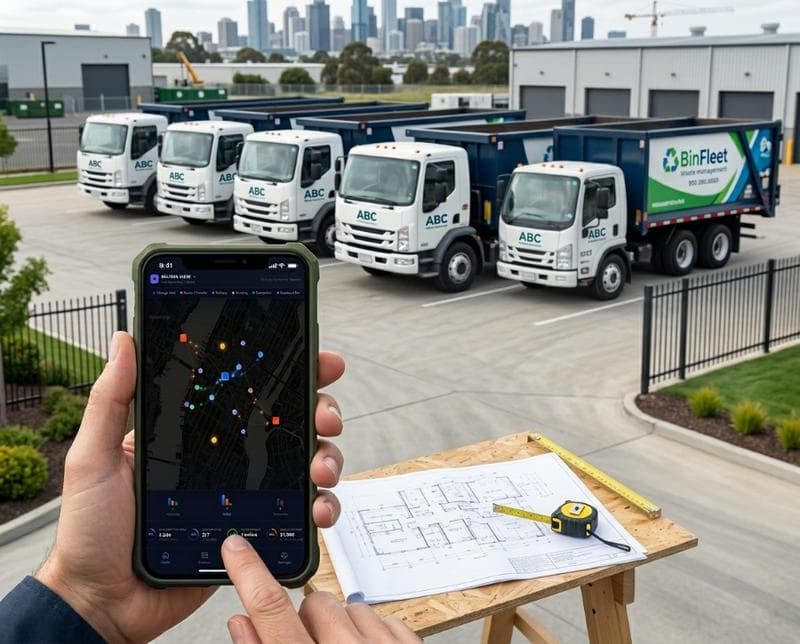
This is where software becomes essential rather than optional. A platform like BinFleet handles order management, driver routing, real-time dispatch, and customer notifications—all the things that break down when you're juggling multiple trucks. Getting systems locked in early means your second truck can be productive immediately, and adding a third or fourth becomes a matter of scaling proven processes rather than rebuilding everything. The cost of software is insignificant compared to the cost of a second truck sitting half-full because you can't efficiently match routes with available capacity.
Price for Profitability, Not Volume
Growth is tempting, and pricing for volume is the easiest trap to fall into. You think, "If I charge less per bin, I'll pick up more customers and fill my trucks better." The math sounds right until you're running four trucks at 60% capacity instead of one truck at 90% capacity. Your margins shrink, your overhead rises, and you're working harder for less profit. Resist this completely. Your pricing should reflect the real cost of running your operation, plus a healthy margin that covers equipment replacement, fuel volatility, and seasonal dips.
As you scale, your costs per bin actually have room to improve—better route density, lower fuel consumption per pickup, higher equipment utilization. Use those gains to strengthen your margins, not to undercut competitors. Build a price list that holds firm even as you grow, and train your sales team to upsell value, not discount. Customers don't remember the cheapest option; they remember the reliable service. Premium pricing attracts customers who respect your work and don't haggle endlessly, which is exactly the customer base you want to build a business around.
Expand Smart: Location, Territory, or Service Line
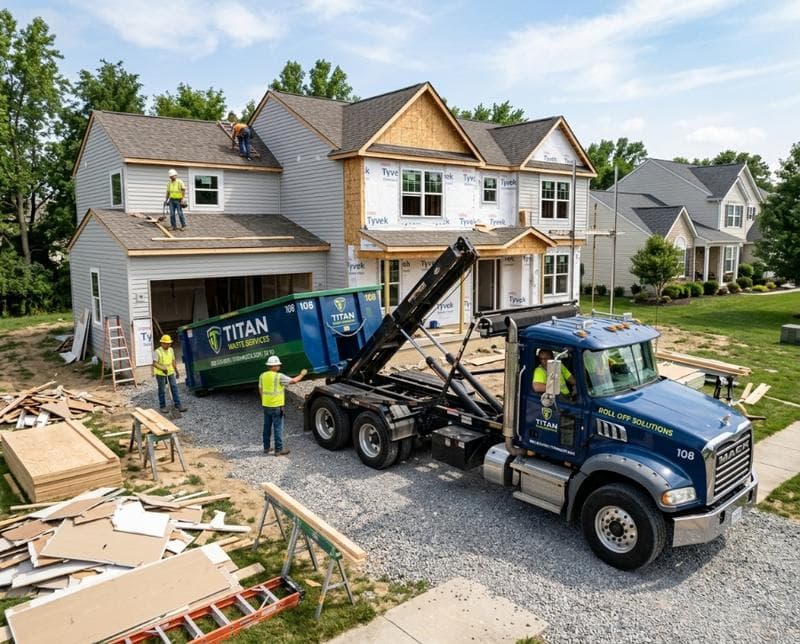
Scaling doesn't always mean adding more of the same truck. You have three main directions to grow: expand your current geographic territory with more trucks running the same routes, open a second yard in a new area, or add different service lines like roll-off boxes, portable toilets, or junk removal. Each path has different capital requirements, staffing needs, and risk profiles. Territory expansion is the easiest first move—you already know how to operate in your market, your brand is established, and adding a second truck follows a proven playbook. A new geographic area requires market research, local permitting, potentially different pricing, and building brand awareness from scratch.
Before you commit to expansion, map your existing territory carefully. How far is too far for your drivers to travel? Where are the customer density gaps? A 15-mile radius around your yard might have untapped potential before you need a second location. Adding a second service line, like roll-off containers for construction sites, can increase revenue per stop and improve truck utilization without necessarily requiring a new yard. The key is being intentional about which growth avenue aligns with your current strengths and existing customer relationships. Adding a truck to a saturated territory makes less sense than opening a new yard in a underserved area, even if it costs more upfront.
Hire and Train Your Second Driver Early
Your second truck is only valuable if you have someone reliable to drive it. This is why you should begin recruiting and training your second driver before you actually buy the equipment, not after. Good drivers are hard to find, and training takes time. A bad driver can destroy customer relationships, damage equipment, and cost you money faster than you can make it. Start by promoting from within if you can, or offering a competitive wage to attract experienced haulers from neighboring operations.
Once hired, invest in real training. This means ride-alongs, safety protocols, customer service standards, and accountability for route efficiency. Your second driver represents your brand to customers, so their communication skills and work ethic matter as much as their driving ability. Set clear expectations around punctuality, customer interaction, equipment care, and safety. Many owners skip this step and wonder why their second operation doesn't run as smoothly as their first—it's because the systems and training never transferred. Build a driver manual, document your process, and treat onboarding as a core business function, not an afterthought.
Use Data to Drive Your Second Phase of Growth
After six to twelve months running two trucks, you'll have real operational data that tells you exactly where your bottlenecks and opportunities are. Which routes are most profitable? Which customers churn fastest? What time of day generates the most calls? This data becomes your roadmap for the next phase of growth. If your utilization rate is 85% and customers are still waiting for pickups, a third truck is clearly justified. If you're at 60% utilization, you need to fix demand generation or pricing before adding more capacity.
This is also when seeing how modern dispatch software works becomes invaluable. With systems that track every pickup, every hour, and every cost, you're making growth decisions based on facts, not intuition. You'll spot seasonal patterns, understand which service lines are truly profitable, and identify which customers or geographic areas deserve more aggressive marketing investment. Real data removes the guesswork from scaling and helps you avoid expensive mistakes that can set a growing company back by months.
FAQ
How much revenue do I need before buying a second truck?
Most successful dumpster rental operators buy a second truck when they're consistently turning away customers or have a three-to-four week booking wait. In terms of revenue, that's typically $8,000–$12,000 per month from one truck in a healthy market. More important than revenue is profitability: you should have 15-20% net margins and enough cash reserves to cover the truck payment, insurance, and maintenance without straining working capital.
Should I buy or lease my second truck?
Leasing gives you flexibility and lower upfront costs, making it ideal for testing whether your market can support a second truck. Buying makes sense once you've proven the model works and expect to run that truck for 5+ years. Most scaling operators buy their first truck outright and lease the second, then reassess. The real cost isn't the equipment payment—it's the operational overhead and fuel, which you'll pay either way.
What software do I need before adding a second truck?
At minimum, you need dispatch and customer management. Explore resources on dispatch optimization to understand what your business needs. Spreadsheets and phone calls break down fast with multiple trucks. A platform that handles order management, driver routing, SMS notifications, and invoicing prevents communication breakdowns and ensures both trucks are running efficiently and profitably.
How do I know if I should hire a dispatcher or manage dispatch myself?
If you're spending more than 8-10 hours per week managing routes and customer calls while running one truck, a dispatcher becomes necessary at two trucks. Hiring a dispatcher costs $30,000–$45,000 annually, but they'll improve utilization, reduce customer wait times, and free you to focus on sales and operations. If dispatch software is automated and intelligent, you might manage two trucks yourself—three or more trucks definitely requires dedicated dispatch help.
Start Small, Stay Intentional
Scaling a dumpster rental business isn't a race. The operators who grow sustainably are the ones who build systems before adding trucks, price for profitability, hire great people, and use data to guide each decision. Your first truck proved the business model works. Your second truck proves you can replicate it. By the time you're running four or five trucks, you'll have institutional knowledge and processes that let you scale with confidence. The key is never letting growth outpace your ability to maintain quality and profitability.
Ready to Streamline Your Operation?
See how BinFleet AI helps waste haulers save time, cut costs, and grow.
Request a Free 30-Day TrialRelated Articles
How to Scale a Dumpster Rental Business from One Truck to Multi-Yard Operations
How to Scale Your Dumpster Rental Business: A Step-by-Step Growth Plan