Scaling Your Dumpster Rental Business: A Step-by-Step Growth Plan
The Hidden Cost of Growing Without Systems
Most dumpster rental owners start by working the truck themselves. You answer phones, haul containers, invoice customers, and somehow keep track of which bin is where. This works until it doesn't. The moment you hire your first driver or add a second truck, the business complexity multiplies. Without proper systems in place, revenue growth can actually increase your stress and overhead faster than your profit margin.
The real bottleneck isn't getting more customers or buying more equipment—it's visibility. When you operate one truck, you know everything by memory. When you operate five trucks across multiple yards, guesswork becomes your dispatcher's default strategy. This leads to missed pickup windows, double-dispatches, unnecessary miles, and drivers idling in traffic because they don't have a clear route plan. The result: your gross margin shrinks even as revenue climbs.
Step 1: Map Your Current Operation Like You Mean to Scale It
Before you add a single truck, document everything your business does today. What routes does your current truck run? What are your pickup and delivery patterns by day of week? How long does a typical haul actually take, including drive time, drop-off, and paperwork? How many calls do you get daily, and what percentage convert to jobs? This isn't busy work—it's the baseline data you need to predict what your operation will look like at two, three, or five trucks.
Create a simple spreadsheet that tracks daily pickups, drop-offs, the addresses involved, and the time spent on each job. Track your peak demand days and seasons. This data reveals whether you're ready to scale or whether you're just adding trucks to a broken process. Many haulers discover they're underselling their service (too few pickups per route) or over-servicing low-margin jobs. With clear visibility, you can fix these issues before scaling makes them exponentially more expensive.
Step 2: Invest in Operational Visibility Before You Buy Truck Number Two
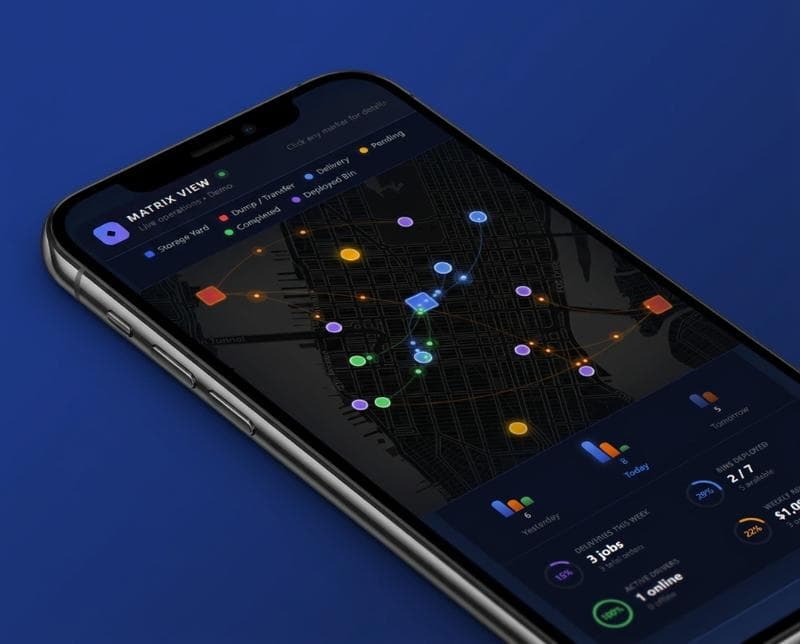
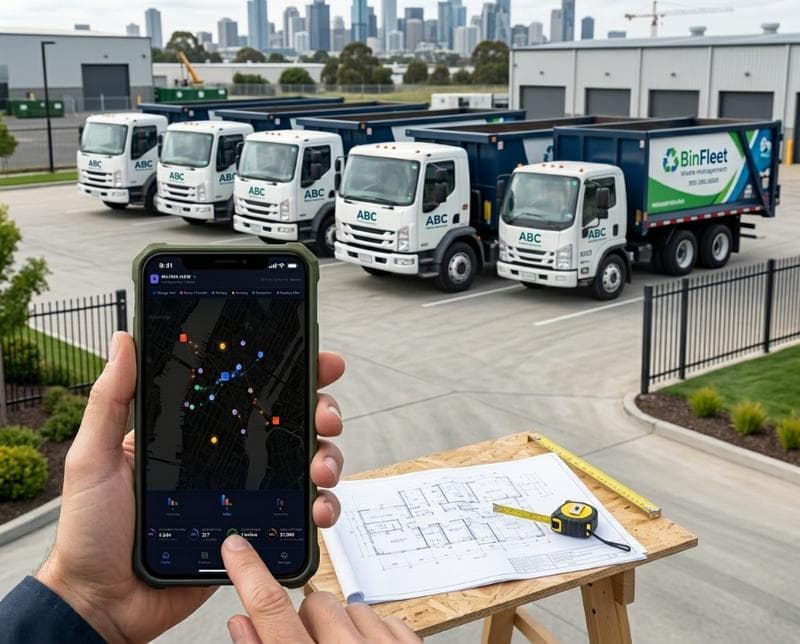
This is where software becomes non-negotiable. A modern dispatch and route optimization platform lets you see every container in the field, track driver location in real-time, log actual pickup times, and understand which yards have inventory gaps. Unlike a spreadsheet, this data flows in continuously and highlights bottlenecks as they happen. When you add your second truck, your dispatcher can actually build efficient routes instead of calling drivers and hoping they remember where bins need to go.
Tools like BinFleet AI give you the dispatch and inventory management layer you need before scaling becomes chaotic. You can see utilization rates per container, identify which bins are sitting idle, and optimize your drop density. You'll also capture accurate time and mileage data that shows you exactly where margin lives and dies. This intel is gold when you're deciding whether to buy a second truck or hire a second driver for your existing truck.
Step 3: Nail Your Unit Economics on a Small Scale
Too many haulers scale before they understand their true per-job profitability. You need to know, down to the dollar, what a standard residential pickup costs you versus what you charge, and the same for commercial jobs. This includes fuel, labor, container depreciation, yard overhead, and the cost of that dispatch call. Only then can you predict whether adding a second truck will increase or destroy profit.
Run your current operation tight for six to eight weeks. Record every mile, every minute, every expense. If you're not hitting at least 40-50% gross margin on standard jobs, you have a pricing or efficiency problem that a second truck won't fix. Once you hit consistent margin on your single-truck operation, you have a replicable model. Truck number two should follow the same playbook and deliver the same margin—scaled, not discounted.
Step 4: Hire and Train Discipline Into Your First Driver
Your first driver hire is critical because they set the operational culture. They need to understand that every decision affects the numbers: the route they choose, how fast they work, whether they're courteous to customers. This isn't about being a hard-liner—it's about building an operation where consistency and accountability matter. A driver who knows he's being tracked and measured will naturally optimize his day differently than one flying blind.
Use dispatch software to send your driver clear, numbered pickup sequences. Let the software handle the route logic so the driver focuses on execution. Provide real-time feedback: if he's spending 45 minutes on a job that should take 15, your dispatcher sees it and can coach him. This transparency builds better drivers faster than any hiring process can. By the time you're ready for truck two, your first driver understands your standards and can help train the next one.
Step 5: Plan Your Second Truck Around Service Gaps, Not Just Revenue
Adding truck two is a strategic decision, not just a revenue play. Look at your data: are you missing jobs because your single truck can't service a certain time window? Are you losing commercial accounts that need midweek service? Is your yard sitting idle because demand is concentrated in mornings and early afternoons? The second truck should fill a real operational gap that increases your capability and customer satisfaction, not just add volume to an already-stretched system.
Many operators add a second truck too early because they have the cash or see revenue opportunity, then find their dispatch burden doubles and profit stays flat. Instead, ask whether your first truck is truly optimized. Can you run it twice daily? Can you reduce idle time? Once you've wrung efficiency from truck one, then truck two becomes a force multiplier rather than a burden. With the right software and data, you'll know the exact moment truck two becomes economically justified.
Step 6: Build a Multi-Yard Operational Framework
As you scale beyond two or three trucks, you'll likely need second yard or temporary staging area. This is when multi-yard management becomes essential. You need visibility across locations: which yard has excess inventory? Which is short containers? Where should you position the next delivery? Manual tracking breaks down instantly at this scale.
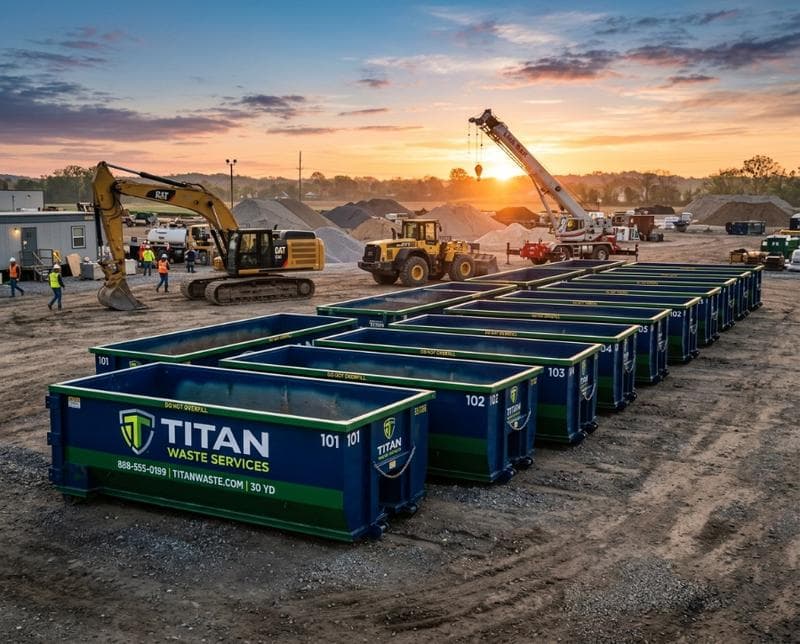
A platform built for multi-yard operations lets you see inventory across all locations and route containers where demand is highest. You can manage drivers from a central dispatch point while maintaining accountability at each yard. This infrastructure may feel over-engineered for a two-truck operation, but it's built-in from day one rather than retrofitted later when your operation is already chaotic.
FAQ: Common Scaling Questions from Waste Haulers
When should I hire my first driver?
Hire your first driver when you're consistently turning away work or spending 50+ hours per week in the truck. Before you hire, set up dispatch software so your new driver has clear pickup sequences and real-time communication. Without systems, that first hire will create more chaos than relief.
How do I avoid scaling into a profit trap?
Track your gross margin on a rolling basis for every job type. If margin stays above 45-50% as you add trucks, you're building a scalable model. If margin shrinks, you have a pricing or efficiency problem that you need to fix before adding capacity. New trucks amplify both good and bad operational habits.
What's the right software investment for a growing hauler?
Start with dispatch and route optimization before you add truck two. You can't manage what you can't see. A platform like BinFleet AI gives you container tracking, driver location, invoice automation, and inventory visibility—the core systems that prevent scaling chaos. Plan on investing in software before you spend money on equipment.
How do I know when I'm ready for a third truck?
When your two-truck operation is running lean with consistent margin and you're still missing jobs, truck three becomes obvious. Your data will tell you: are you at 85%+ utilization on both trucks? Are customers asking for service windows you can't fill? If yes to both, truck three makes sense. If not, you may need better dispatch optimization or pricing power before you buy more metal.
The Path Forward: Scale With Confidence
Scaling a dumpster rental business from one truck to five or ten requires more rigor than most operators expect. You're not just buying equipment—you're building an operation that makes smart decisions with real-time data. The haulers who grow profitably in 2026 will be those who invest in visibility and discipline before they invest in trucks. Start with the systems, prove your model works at small scale, then let data guide every growth decision. That's how you build a sustainable multi-truck operation instead of a chaotic cash drain. For a deeper dive into operational scaling, check out our operations blog, or schedule a demo to see how dispatch software fits into your growth plan.
Ready to Streamline Your Operation?
See how BinFleet AI helps waste haulers save time, cut costs, and grow.
Request a Free 30-Day TrialRelated Articles
How to Scale a Dumpster Rental Business from One Truck to Multi-Yard Operations
How to Scale Your Dumpster Rental Business: A Step-by-Step Growth Plan