Fleet Management for Waste Haulers: Streamlining Multi-Truck Operations in 2026
The waste hauling industry has evolved dramatically, with successful companies now managing fleets of dozens or even hundreds of trucks across multiple service areas. Traditional pen-and-paper methods or basic spreadsheets simply can't handle the complexity of coordinating driver schedules, tracking container locations, optimizing routes, and maintaining communication across multiple yards. Fleet managers who embrace integrated technology solutions are seeing significant improvements in operational efficiency, cost reduction, and customer satisfaction.
Modern waste hauling operations face unique challenges that generic fleet management tools can't address. Unlike delivery trucks that follow predictable routes, waste haulers deal with variable container weights, unpredictable pickup schedules, emergency service calls, and complex logistics around container inventory management. The most successful operators have moved beyond basic GPS tracking to comprehensive platforms that integrate every aspect of their business operations.
Centralized Dispatch and Driver Coordination
Effective fleet management starts with centralized dispatch operations that can see the entire fleet in real-time. Modern dispatch systems allow operators to assign jobs based on driver availability, truck capacity, geographic proximity, and customer priority levels. This eliminates the chaos of radio communications and phone calls that often lead to miscommunication, delayed pickups, and frustrated customers. Advanced platforms can automatically suggest optimal driver assignments based on current locations, scheduled routes, and truck specifications.
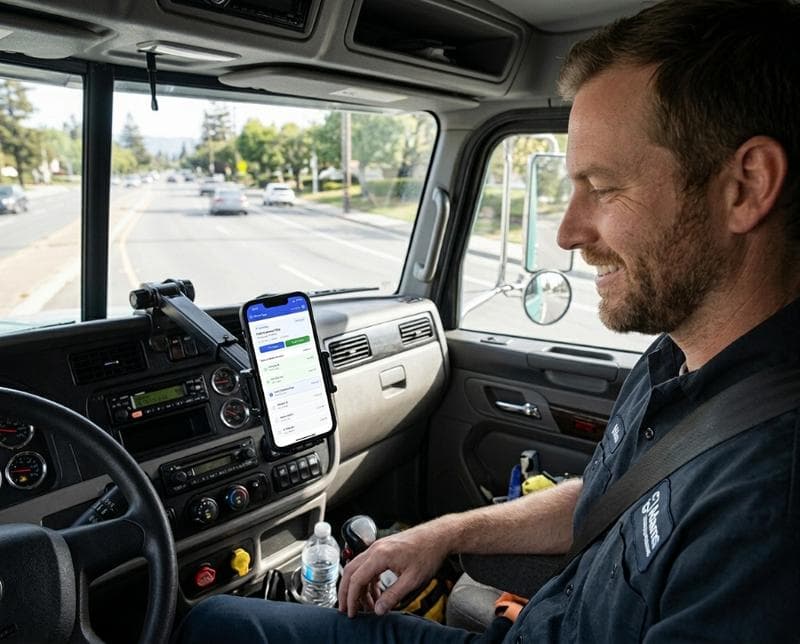
Driver coordination becomes exponentially more complex as fleets grow beyond a handful of trucks. Successful fleet managers use integrated communication systems that push job details directly to driver mobile apps, complete with customer information, special instructions, and GPS coordinates. This streamlined approach reduces dispatcher workload while ensuring drivers have all necessary information at their fingertips. The result is improved first-time completion rates and reduced time spent on administrative communications.
Real-Time Vehicle and Container Tracking
Knowing where every truck and container is located at any given moment transforms operational efficiency for waste haulers. GPS tracking integrated with container inventory management provides fleet managers with complete visibility across their entire operation. This real-time data enables quick responses to customer inquiries, accurate delivery time estimates, and immediate identification of operational bottlenecks. When customers call asking about their pickup status, dispatchers can provide precise information rather than vague estimates.
Container tracking extends beyond simple location monitoring to include detailed service histories, maintenance schedules, and utilization rates. Fleet managers can identify which containers spend too much time at customer locations, track patterns in service requests, and optimize container allocation across different service areas. This level of visibility helps prevent lost containers, reduces unnecessary trips to retrieve equipment, and ensures optimal utilization of expensive container inventory.
Route Optimization for Multi-Yard Operations
Route optimization for waste haulers involves more complexity than traditional delivery routes because of varying container sizes, weight restrictions, dump site locations, and time-sensitive pickups. Advanced route planning considers these variables alongside real-time traffic conditions, driver working hours, and truck capacity limitations. The most sophisticated systems can dynamically adjust routes throughout the day as new orders come in or unexpected delays occur, ensuring maximum efficiency across the entire fleet.
Multi-yard operations require coordination between different locations to prevent trucks from unnecessary cross-town travel or duplicate coverage areas. Integrated route optimization ensures that jobs are assigned to the most appropriate yard location while considering driver schedules, truck availability, and customer service commitments. This systematic approach can reduce fuel costs by 15-25% while improving customer satisfaction through more reliable pickup windows.
Integrated Customer Communication Systems
Customer expectations for communication have risen significantly, with clients expecting real-time updates about pickup schedules, driver arrival times, and service completion confirmations. Modern fleet management platforms automatically send SMS notifications to customers when drivers are dispatched, en route, and when service is completed. This automated communication reduces customer service calls while improving overall satisfaction through proactive information sharing.
Integration between fleet management and customer communication systems ensures that information flows seamlessly from operations to customers without manual intervention. When dispatch makes route adjustments, customers receive automatic updates about revised pickup times. This level of communication transparency builds trust with customers while reducing the administrative burden on office staff who previously had to make individual phone calls for schedule changes.
Performance Analytics and Fleet Utilization
Data-driven fleet management relies on comprehensive analytics that track key performance indicators across all operational areas. Successful fleet managers monitor metrics including fuel efficiency per truck, jobs completed per driver shift, container utilization rates, and customer satisfaction scores. These insights reveal operational patterns that might not be obvious from day-to-day management, such as which drivers consistently complete more jobs or which service areas generate the most profitable business.
Fleet utilization analytics help identify underperforming assets and optimization opportunities that directly impact profitability. Detailed reporting shows which trucks spend excessive time idling, which routes consistently run over scheduled time, and which customers generate the most service complications. Armed with this data, fleet managers can make informed decisions about driver training, route adjustments, equipment investments, and customer relationship management strategies.
Maintenance Scheduling and Compliance Management
Proactive maintenance scheduling prevents costly breakdowns that can disrupt entire daily operations and disappoint customers. Integrated fleet management systems track mileage, engine hours, and service intervals for every vehicle, automatically generating maintenance alerts before problems occur. This systematic approach extends vehicle life, reduces repair costs, and ensures consistent service availability. Fleet managers can schedule maintenance during off-peak hours to minimize operational disruption.
Compliance management for commercial vehicles involves complex regulations around driver hours, vehicle inspections, and safety requirements that vary by jurisdiction. Modern platforms maintain digital records of all compliance activities, generate required reports automatically, and alert managers to approaching deadlines. This comprehensive approach reduces regulatory risk while streamlining the administrative burden of maintaining large commercial fleets in an increasingly regulated industry.
Frequently Asked Questions
How can small waste haulers justify the cost of fleet management software?
Even small operations with 5-10 trucks typically see immediate returns through reduced fuel costs, improved route efficiency, and decreased administrative time. The monthly software cost is usually offset within the first month through operational improvements. Most platforms offer scalable pricing that grows with your business, making the investment manageable for operators of any size.
What's the difference between basic GPS tracking and comprehensive fleet management?
Basic GPS tracking only shows vehicle locations, while comprehensive fleet management integrates dispatch, customer communication, route optimization, maintenance scheduling, and business analytics. The integrated approach eliminates data silos and provides actionable insights rather than just raw location data. This integration is what drives real operational improvements and cost savings.
How long does it take to implement a new fleet management system?
Most waste hauling companies can fully implement a comprehensive fleet management platform within 2-4 weeks, depending on fleet size and complexity. The implementation process typically includes data migration, driver training, and system customization for specific operational needs. Many providers offer dedicated support during the transition period to ensure smooth adoption.
Ready to streamline your fleet operations with integrated technology? Schedule a demo to see how modern fleet management can transform your waste hauling business. For more insights on optimizing waste hauling operations, explore our comprehensive resource library of industry best practices and operational strategies.
Ready to Streamline Your Operation?
See how BinFleet AI helps waste haulers save time, cut costs, and grow.
Request a Free 30-Day TrialRelated Articles
Scaling a Dumpster Rental Business: Your Step-by-Step Growth Plan
How a Driver App Transforms Waste Hauling Operations in 2026