Complete Waste Hauler Fleet Management: How to Run Multiple Trucks, Drivers, and Yards from One Platform
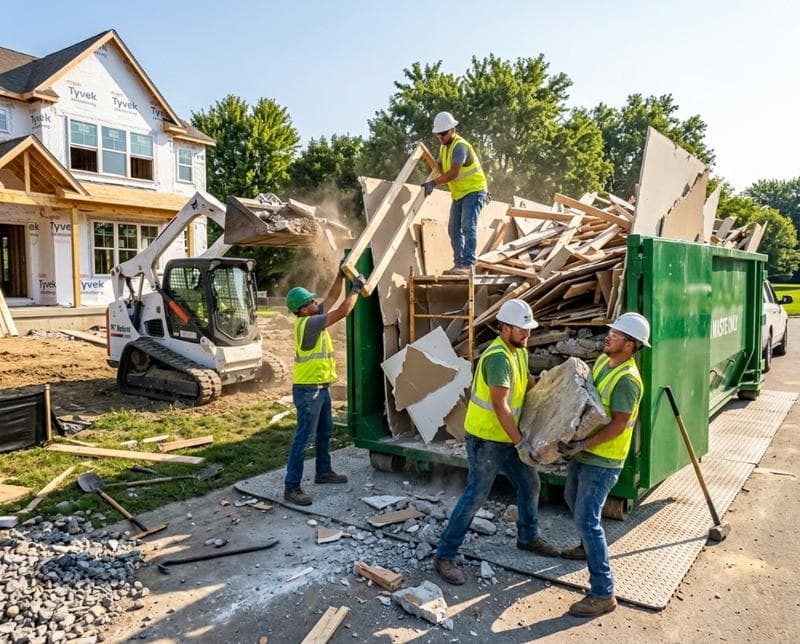
Managing a waste hauling fleet across multiple locations feels like juggling flaming torches while riding a unicycle. Between coordinating driver schedules, tracking truck maintenance, optimizing routes across different yards, and keeping customers happy, operations managers face constant pressure to keep everything running smoothly. The complexity multiplies exponentially when you're operating from multiple yards or serving diverse geographic regions.
Traditional fleet management approaches—spreadsheets, radio communications, and manual scheduling—break down quickly as operations scale. What worked for five trucks and two drivers becomes a nightmare with twenty trucks, multiple shifts, and several yard locations. The disconnect between systems creates blind spots that cost money, frustrate drivers, and leave customers waiting longer than necessary for service.
The Hidden Costs of Fragmented Fleet Operations
When fleet management systems don't talk to each other, waste haulers pay the price in ways that extend far beyond obvious inefficiencies. Dispatch might send a driver from the north yard to service a customer ten minutes from the south yard, adding unnecessary fuel costs and reducing the number of stops possible per day. Meanwhile, maintenance schedules slip through cracks because no single system tracks which trucks need service when, leading to unexpected breakdowns during peak collection periods.
Customer service suffers when dispatchers can't provide accurate arrival windows or track driver locations in real-time. The ripple effects compound daily—frustrated customers switch providers, drivers waste time on inefficient routes, and management spends hours each week reconciling data between different systems. These operational friction points don't just cost money; they limit growth potential by consuming resources that could be invested in expanding services or acquiring new customers.
Centralized Dispatch: Your Command Center for Multi-Location Operations
Modern fleet management platforms transform dispatch from a reactive scramble into a proactive command center that coordinates all moving pieces simultaneously. Instead of managing separate schedules for each yard, dispatchers gain visibility into every truck, driver, and container across all locations through a single interface. This comprehensive view enables smarter decision-making, like reassigning nearby drivers to emergency pickups or balancing workloads when one yard gets overwhelmed.
Real-time tracking becomes the foundation for responsive customer service and efficient operations. Dispatchers can instantly see which drivers are running ahead of schedule and available for additional stops, while automatically sending customers SMS updates about arrival times. The platform handles route optimization across multiple starting points, ensuring drivers take the most efficient paths regardless of which yard they're operating from, ultimately reducing fuel costs and increasing daily stop capacity.
Driver Management Across Multiple Teams and Shifts
Coordinating drivers across different yards and shift schedules requires more than just knowing who's available when. Effective fleet management platforms track driver certifications, performance metrics, and preferred routes while ensuring compliance with hours-of-service regulations. When a driver from the east yard calls in sick, the system can immediately identify qualified replacements from other locations and calculate the most efficient way to cover their routes.
Driver communication becomes seamless when everyone operates through the same platform, regardless of their home yard. Route changes, customer instructions, and pickup confirmations flow instantly between drivers and dispatch, eliminating the confusion that comes from mixed communication channels. This unified approach reduces training time for new hires since they learn one system that works across all company locations, making it easier to deploy drivers where they're needed most.
Inventory and Asset Tracking Across Locations
Managing container inventory across multiple yards traditionally meant constant phone calls between locations to track available units. Modern fleet management eliminates this guesswork by maintaining real-time visibility into container counts, conditions, and locations across all yards. Operations managers can instantly see which locations have surplus containers and which need restocking, enabling proactive transfers that prevent service delays.
Vehicle maintenance becomes predictable rather than reactive when all fleet data centralizes in one platform. Instead of each yard maintaining separate maintenance logs, the system tracks mileage, engine hours, and service schedules for every truck regardless of its home base. This comprehensive oversight prevents duplicate maintenance work when trucks operate from different yards and ensures no vehicle slips through inspection cracks due to location confusion.
Route Optimization for Multi-Yard Efficiency
Traditional route planning treats each yard as an isolated operation, missing opportunities for cross-location efficiency gains. Advanced fleet management platforms analyze pickup requests across all service areas simultaneously, identifying opportunities for drivers from different yards to service nearby customers more efficiently. This approach reduces deadhead miles—the empty driving between stops—while ensuring customers receive service from the closest available driver rather than being limited to their designated yard's schedule.
Dynamic routing adjustments throughout the day maximize productivity when unexpected situations arise. If a truck breaks down at the north yard, the system can automatically redistribute that route among available drivers from all locations, minimizing service disruptions. Weather delays, traffic incidents, and equipment failures become manageable challenges rather than operational disasters when the entire fleet can adapt collectively to changing conditions.
Integration and Scalability for Growing Operations
The best fleet management platforms grow with your business, accommodating new yards, additional trucks, and expanded service areas without requiring complete system overhauls. When you acquire a competitor or open a new location, the platform can onboard new assets and routes while maintaining operational continuity across existing operations. This scalability prevents the common problem of outgrowing your management systems and having to start over with new software every few years.
Integration capabilities determine whether your fleet management platform becomes the operational hub or just another disconnected tool. Systems that connect with accounting software, customer relationship management platforms, and fuel card providers create a comprehensive operational picture that eliminates manual data entry and reduces errors. Learn more about waste management technology integration and how unified platforms transform daily operations for growing haulers.
Frequently Asked Questions
How long does it take to implement fleet management software across multiple locations?
Most waste haulers can fully implement comprehensive fleet management software across multiple yards within 2-4 weeks. The timeline depends on data migration complexity and team training requirements, but modern platforms are designed for quick deployment. Schedule a demo to see how implementation works for multi-location operations.
Can fleet management software handle different service types across yards?
Yes, advanced fleet management platforms accommodate different service types, container sizes, and pricing structures across multiple locations. Whether one yard focuses on residential pickup while another handles commercial dumpsters, the system manages varied operations through a single interface while maintaining location-specific configurations.
What happens to our existing processes when we switch to unified fleet management?
Quality fleet management platforms adapt to your existing workflows rather than forcing you to completely change established processes. The transition involves mapping current procedures into the new system while gradually introducing efficiency improvements that enhance rather than disrupt proven operational approaches.
How does centralized fleet management affect driver autonomy?
Drivers maintain operational flexibility while gaining access to better route information and customer communications. The platform provides helpful tools like optimized routes and real-time updates without micromanaging daily decisions, ultimately making drivers more effective rather than more restricted.
Ready to Streamline Your Operation?
See how BinFleet AI helps waste haulers save time, cut costs, and grow.
Request a Free 30-Day TrialRelated Articles
Scaling a Dumpster Rental Business: Your Step-by-Step Growth Plan
How a Driver App Transforms Waste Hauling Operations in 2026