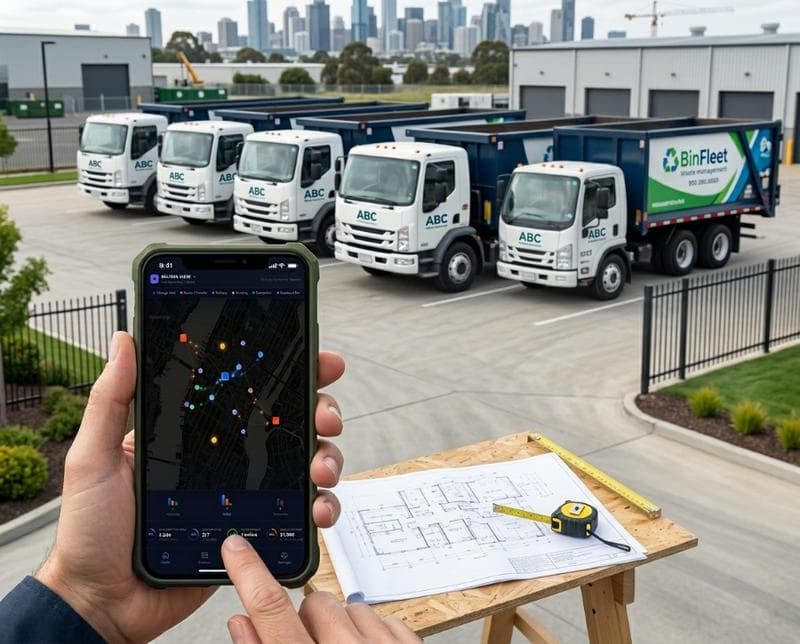
How to Cut Waste Hauling Fuel Costs by 25% in 2026
Fuel costs remain one of the largest operational expenses for waste haulers, often representing 20-30% of total operating costs. With diesel prices continuing to fluctuate and environmental regulations tightening, operators who master fuel efficiency gain a significant competitive advantage. The difference between efficient and inefficient operations can mean savings of $50,000 to $200,000 annually for mid-sized haulers.
Smart waste hauling companies are already implementing systematic approaches to fuel reduction, achieving consistent savings of 15-25% without sacrificing service quality. These operators understand that fuel efficiency isn't just about buying newer trucks—it's about optimizing every aspect of route planning, driver behavior, and operational workflow.
Route Optimization: The Foundation of Fuel Savings
Inefficient routing remains the single biggest fuel waster in waste hauling operations, with many companies losing 15-20% of their fuel budget to unnecessary miles and poor stop sequencing. Modern route optimization software can analyze traffic patterns, container locations, and driver schedules to create mathematically optimized routes that reduce total driving distance by up to 30%. The key is moving beyond static routes that were created years ago and never updated to dynamic routing that adapts to real-world conditions.
Successful operators are discovering that route density improvements often provide the highest return on investment for fuel savings. By clustering stops more effectively and eliminating backtracking, a single truck can often handle 10-15% more stops per route while burning less fuel. This approach requires analyzing historical service data to identify opportunities for consolidation and timing adjustments, but the payoff typically covers implementation costs within 90 days.
Driver Training and Behavior Monitoring
Driver behavior directly impacts fuel consumption, with aggressive driving habits increasing fuel usage by 15-40% compared to efficient driving techniques. Excessive idling, rapid acceleration, and high-speed driving between stops can turn a fuel-efficient route into a budget disaster. Training programs focused on smooth acceleration, optimal shifting points, and reduced idling time consistently deliver measurable results when combined with ongoing performance tracking.
Telematics systems now provide detailed insights into individual driver performance, allowing managers to identify specific behaviors that waste fuel and provide targeted coaching. The most effective programs combine initial training with monthly performance reviews and incentive structures that reward fuel-efficient driving. Companies implementing comprehensive driver monitoring typically see 8-12% fuel savings within six months, with the best performers achieving even higher reductions.
Preventive Maintenance for Maximum Efficiency
Well-maintained trucks consume significantly less fuel than vehicles with worn components, dirty air filters, or improperly inflated tires. A single underinflated tire can increase fuel consumption by 2-3%, while a dirty air filter can reduce efficiency by up to 10%. Establishing systematic maintenance schedules that prioritize fuel-impacting components ensures vehicles operate at peak efficiency throughout their service life.
Engine tuning, proper tire pressure monitoring, and regular oil changes using the correct grade of lubricants can collectively improve fuel economy by 5-10%. The investment in quality maintenance pays dividends not only through fuel savings but also through reduced breakdown costs and extended vehicle life. Smart operators track fuel efficiency metrics for each vehicle to identify maintenance issues before they become expensive problems.
Technology Integration for Operational Excellence
Modern fleet management platforms integrate route optimization, driver monitoring, and maintenance scheduling into unified systems that maximize fuel efficiency across all operational areas. These platforms can automatically adjust routes based on traffic conditions, weather, and customer service windows while tracking the fuel impact of every decision. The result is a data-driven approach to fuel management that identifies savings opportunities in real-time rather than through monthly reports.
GPS tracking combined with automated route planning eliminates many human errors that waste fuel, such as sending drivers to incorrect addresses or creating inefficient stop sequences. Advanced systems can even account for factors like container weight, truck capacity, and driver experience levels when creating optimized routes. Companies using integrated technology platforms typically see the largest fuel savings because these systems address multiple efficiency factors simultaneously.
Equipment Upgrades and Fuel-Efficient Practices
Strategic equipment upgrades can deliver substantial fuel savings when implemented thoughtfully rather than simply buying the newest available trucks. Automatic transmission vehicles often provide better fuel economy than manual transmissions in stop-and-go waste collection routes, while aerodynamic improvements and lightweight materials can reduce fuel consumption by 3-8%. The key is analyzing actual operational data to determine which upgrades will provide the best return on investment for specific route types and driving conditions.
Operational practices like optimizing truck loading to reduce weight and wind resistance also contribute to fuel efficiency without requiring capital investment. Proper load distribution, removing unnecessary equipment between routes, and maintaining clean truck exteriors all impact fuel consumption. These seemingly small changes can collectively reduce fuel usage by 2-5%, which translates to thousands of dollars in annual savings for busy operations.
Measuring and Sustaining Fuel Cost Reductions
Successful fuel reduction programs require consistent measurement and ongoing optimization to maintain savings over time. Establishing baseline fuel consumption metrics for each route, driver, and vehicle creates the foundation for identifying improvement opportunities and tracking progress. Monthly analysis of fuel efficiency trends helps operators quickly identify when performance begins to slip and take corrective action before small problems become expensive habits.
The most sustainable fuel savings come from creating organizational cultures that prioritize efficiency at every level of operation. This means training dispatchers to consider fuel costs when making route adjustments, educating drivers on the financial impact of their behaviors, and incorporating fuel efficiency metrics into performance evaluations. Companies that successfully reduce fuel costs by 20% or more typically maintain these savings because efficiency becomes embedded in their standard operating procedures rather than being treated as a temporary cost-cutting measure.
Ready to start reducing your fuel costs? Schedule a demo to see how BinFleet's route optimization and fleet management tools can help your operation achieve consistent fuel savings.
Frequently Asked Questions
How quickly can I expect to see fuel cost reductions after implementing these strategies?
Most operators see initial fuel savings within 30-60 days of implementing route optimization and driver training programs. The biggest improvements typically occur in the first 90 days, with ongoing optimizations providing additional 2-5% annual improvements. Technology investments often pay for themselves within 6-12 months through fuel savings alone.
What's the typical ROI on fuel efficiency investments for waste haulers?
Well-executed fuel efficiency programs typically deliver 200-400% ROI within the first year through direct fuel savings, reduced maintenance costs, and improved operational efficiency. Route optimization software investments often show positive returns within 90 days, while vehicle upgrades may take 12-24 months to fully pay back depending on usage patterns.
Can smaller waste hauling operations benefit from these fuel reduction strategies?
Smaller operations often see proportionally larger fuel savings because they have more room for improvement in routing and operational efficiency. Even operations with 3-5 trucks can achieve 15-20% fuel reductions through better route planning and driver training. Many fuel efficiency strategies require minimal upfront investment and can be implemented gradually as budgets allow.
How do I maintain fuel savings over the long term?
Sustainable fuel savings require ongoing monitoring, regular driver training refreshers, and consistent maintenance of fuel-efficient practices. Monthly performance reviews, quarterly route optimization updates, and annual equipment assessments help maintain savings momentum. The key is treating fuel efficiency as an ongoing operational priority rather than a one-time cost reduction initiative.
Ready to Streamline Your Operation?
See how BinFleet AI helps waste haulers save time, cut costs, and grow.
Request a Free 30-Day Trial