Technology Trends Transforming Waste Hauling Operations in 2026
The waste hauling industry has traditionally been slow to adopt new technologies, but 2026 marks a turning point. Operators who embrace emerging tech solutions are discovering significant competitive advantages, from reduced fuel costs to improved customer satisfaction. The companies that adapt quickly are pulling ahead while others struggle with inefficient manual processes.
AI-Powered Route Optimization Takes Center Stage
Route optimization has evolved far beyond basic mapping software. Modern AI systems now analyze historical pickup patterns, traffic data, weather conditions, and customer preferences to create dynamic routes that adapt throughout the day. These systems can reduce fuel consumption by 15-25% while increasing the number of stops per route, directly impacting profitability for haulers of all sizes.
The most advanced platforms integrate real-time data from multiple sources, automatically adjusting routes when drivers encounter unexpected delays or new service requests. Instead of dispatchers spending hours manually planning routes each morning, AI handles the heavy lifting while human operators focus on customer service and operational oversight. This shift allows smaller hauling companies to compete with larger operations by maximizing efficiency without expanding their workforce.
Smart Container Technology Revolutionizes Service Delivery
IoT sensors embedded in dumpsters and roll-off containers are transforming how haulers manage their inventory and service schedules. These sensors monitor fill levels, detect contamination, and track container locations in real-time, eliminating guesswork from operations. Operators can now schedule pickups based on actual need rather than fixed schedules, reducing unnecessary trips and improving resource allocation.
Smart containers also enable predictive maintenance alerts, notifying operators when equipment needs attention before costly breakdowns occur. For customers, this technology means more reliable service and better communication about pickup schedules. The data collected helps haulers identify trends in waste generation, allowing for better capacity planning and more accurate customer billing based on actual usage patterns.
Electric and Alternative Fuel Vehicles Gain Momentum
The push toward sustainability is accelerating the adoption of electric waste collection vehicles across the industry. Battery technology improvements have addressed range anxiety concerns, with modern electric trucks capable of completing full collection routes on a single charge. Operating costs are significantly lower than diesel equivalents, with reduced maintenance requirements and fuel savings offsetting the higher initial investment within 3-5 years.
Compressed natural gas (CNG) and renewable natural gas (RNG) vehicles are also gaining traction as transitional solutions, particularly for long-haul operations where electric vehicles may not yet be practical. These alternative fuel options reduce emissions and operating costs while providing the range and payload capacity that haulers need. Many municipalities are offering incentives for fleet electrification, making the business case even stronger for forward-thinking operators.
Digital Customer Platforms Enhance Service Quality
Customer expectations have shifted dramatically, with businesses demanding the same level of digital convenience they experience in other industries. Modern waste management platforms provide customers with online ordering, real-time tracking, automated billing, and instant communication capabilities. These self-service features reduce administrative overhead while improving customer satisfaction and retention rates.
Mobile apps and customer portals also enable better communication during service disruptions or schedule changes. Automated SMS notifications keep customers informed about pickup times, delivery confirmations, and service updates without requiring dispatcher intervention. This level of transparency builds trust and reduces customer service calls, allowing haulers to focus on core operations while maintaining strong client relationships.
Integrated Management Systems Streamline Operations
The days of juggling multiple software systems for different aspects of waste hauling operations are ending. Integrated platforms now handle everything from order management and dispatching to invoicing and customer communications in a single system. This consolidation eliminates data silos, reduces training requirements, and provides operators with comprehensive visibility into their entire business.
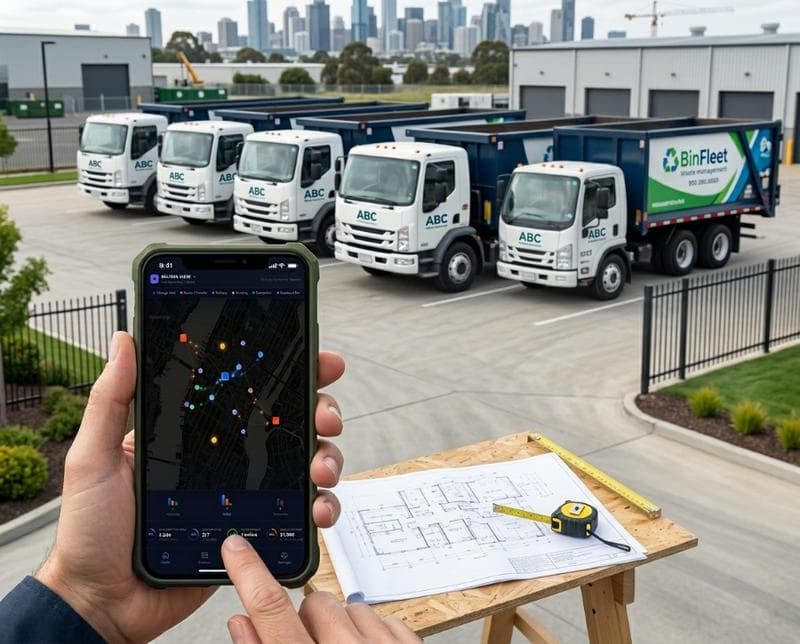
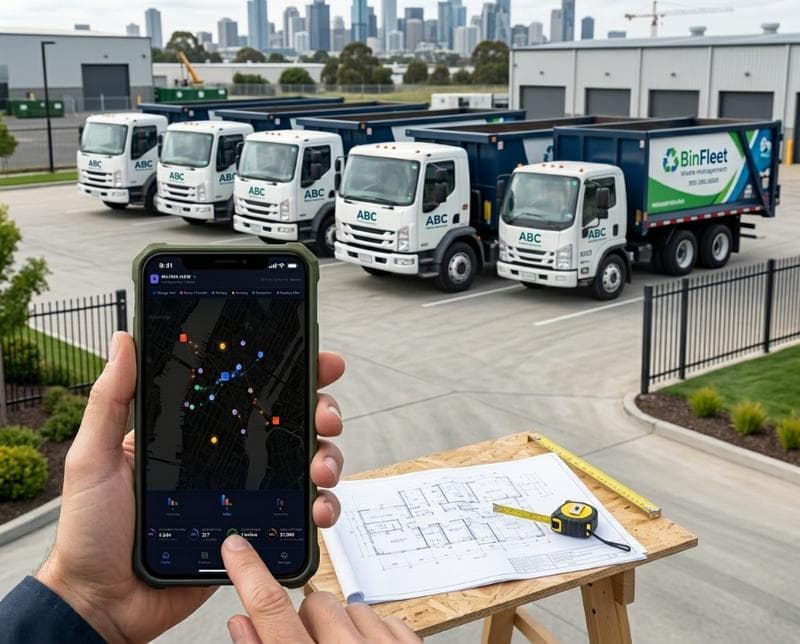
These unified systems also offer powerful analytics capabilities, helping haulers identify inefficiencies, track key performance metrics, and make data-driven decisions. Real-time dashboards provide insights into driver productivity, customer satisfaction, equipment utilization, and financial performance. Modern platforms like BinFleet demonstrate how integrated technology can transform waste hauling operations by connecting every aspect of the business in one streamlined solution.
Data Analytics Drive Strategic Decision Making
The abundance of data generated by modern waste hauling operations creates opportunities for sophisticated analysis and strategic planning. Operators can now identify seasonal trends, optimize pricing strategies, and predict equipment needs with unprecedented accuracy. This data-driven approach enables more precise business planning and helps haulers identify new revenue opportunities or operational improvements.
Predictive analytics also support proactive customer service, identifying accounts that may be at risk of churning or opportunities for service expansion. By analyzing pickup patterns, payment histories, and service requests, haulers can tailor their approach to individual customers and improve retention rates. Industry insights and best practices continue to evolve as more operators embrace data-driven decision making processes.
Essential Technology Adoption Checklist
Successful technology adoption requires careful planning and execution. Consider these key factors when evaluating new systems:
- Integration capabilities with existing systems and processes
- Scalability to support business growth and expansion
- User training requirements and change management needs
- Return on investment timeline and cost-benefit analysis
- Vendor support quality and system reliability track record
The most successful implementations occur when operators choose solutions that align with their specific operational needs rather than pursuing technology for its own sake. Starting with core pain points and building toward comprehensive digital transformation typically yields better results than attempting to overhaul everything simultaneously.
Frequently Asked Questions
What's the biggest technology trend impacting waste haulers in 2026?
AI-powered route optimization is having the most immediate impact on operations, with many haulers seeing 15-25% reductions in fuel costs and significant improvements in service efficiency. The technology has matured to the point where it's accessible to operators of all sizes, not just large national companies.
How much should I budget for technology upgrades?
Most haulers find that investing 3-5% of annual revenue in technology improvements provides strong returns through operational efficiencies and improved customer service. The key is prioritizing solutions that address your biggest pain points first, then expanding from there.
Are electric waste collection vehicles practical for my operation?
Electric vehicles work best for urban routes with predictable distances and centralized fueling infrastructure. If your routes average under 100 miles per day with regular return to base, electric trucks can provide significant cost savings. Rural or long-distance operations may need to wait for battery technology improvements or consider CNG alternatives.
How do I convince my team to adopt new technology?
Focus on demonstrating how technology solves real problems your team faces daily, rather than emphasizing features. Involve drivers and dispatchers in the selection process and provide thorough training with ongoing support. Most resistance disappears once team members see how much easier technology makes their jobs.
Ready to Streamline Your Operation?
See how BinFleet AI helps waste haulers save time, cut costs, and grow.
Request a Free 30-Day Trial