Technology Trends Reshaping Waste Hauling Operations in 2026
The waste hauling industry stands at a technological inflection point. While many operators still rely on clipboards and radio dispatch, forward-thinking companies are embracing digital transformation to cut costs, improve service, and stay competitive. The technology trends emerging in 2026 aren't just about gadgets—they're about fundamentally reshaping how haulers manage routes, track assets, and serve customers.
This shift comes at a critical time. Rising fuel costs, driver shortages, and increased customer expectations for transparency are forcing operators to work smarter, not just harder. The haulers who adapt to these technological changes now will have significant advantages over those who wait.
AI-Powered Route Optimization Becomes Standard
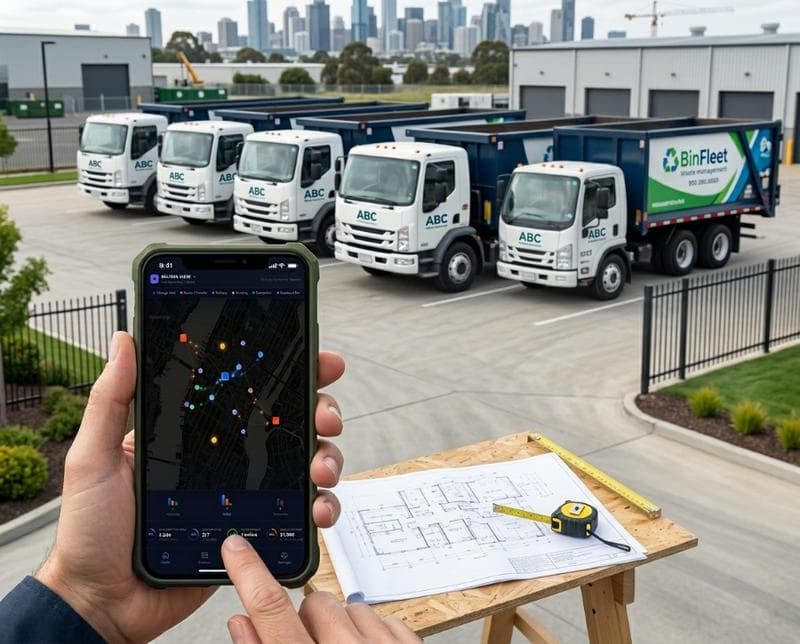
Artificial intelligence has moved beyond the hype phase and into practical daily operations for waste haulers. Modern AI systems analyze historical pickup data, traffic patterns, and customer preferences to generate routes that reduce drive time by 15-25%. These systems continuously learn from real-world performance, adjusting recommendations based on actual completion times, missed pickups, and changing traffic conditions.
What makes 2026 different is the integration level. AI routing now connects directly with dispatch software, GPS tracking, and customer communication systems to create seamless workflows. When a driver reports a missed pickup, the AI automatically reschedules the stop and notifies affected customers via SMS. This integration eliminates the manual coordination that traditionally consumed hours of dispatcher time each day.
IoT Sensors Transform Container Management
Internet of Things sensors are revolutionizing how haulers track and manage their container inventory. Smart sensors mounted on dumpsters provide real-time data on fill levels, location, and pickup status. This visibility helps operators identify containers sitting at 30% capacity for weeks alongside others overflowing between scheduled pickups. The result is more efficient pickup scheduling and better customer service.
The technology has matured to the point where sensor costs have dropped significantly while battery life has extended to 2-3 years. Haulers report that IoT sensors pay for themselves within six months through reduced fuel costs and improved asset utilization. The data also helps identify theft patterns and unauthorized dumps, protecting revenue and maintaining clean job sites.
Automated Dispatching Reduces Human Error
Manual dispatching remains a bottleneck for many operations, with dispatchers juggling phone calls, driver availability, and route changes throughout the day. Automated dispatching systems now handle routine decisions like assigning pickups to available drivers based on proximity, truck capacity, and schedule constraints. This automation reduces response times and ensures consistent service levels even during peak periods or staff shortages.
Modern dispatch automation goes beyond simple assignment rules. These systems factor in driver preferences, customer priority levels, and historical performance data to optimize assignments. When a driver calls in sick, the system immediately redistributes their route among available drivers and sends automatic notifications to affected customers. This level of automation transforms dispatching from reactive crisis management into proactive operations management.
Customer Communication Platforms Drive Retention
Today's commercial customers expect the same level of communication transparency they receive from package delivery services. Automated SMS and email updates about pickup schedules, service changes, and invoice status have become table stakes for customer retention. The most successful haulers use communication platforms that integrate with their core operations software to provide real-time updates without manual intervention.
The trend toward proactive communication extends beyond basic notifications. Smart systems now predict potential service issues and alert customers in advance. For example, if route analysis suggests a pickup might be delayed due to traffic or vehicle maintenance, customers receive automated notifications with revised timing. This transparency reduces complaint calls and builds trust with commercial accounts.
Cloud-Based Operations Management
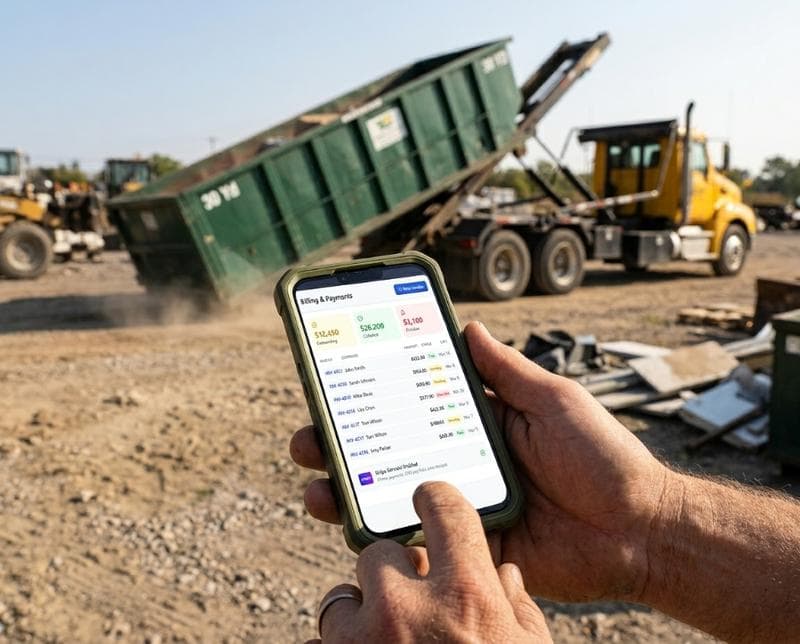
Cloud technology has eliminated the traditional barriers to implementing sophisticated operations management systems. Small and mid-size haulers can now access the same level of functionality that was previously available only to large enterprises with dedicated IT departments. Cloud-based platforms handle everything from order management and invoicing to driver tracking and customer communications from a single integrated system.
The reliability and security of cloud platforms have also improved dramatically. Modern waste management software runs on enterprise-grade infrastructure with 99.9% uptime guarantees and automatic data backups. This reliability means operators can access their systems from anywhere while maintaining confidence that their business-critical data remains secure and available. The operational efficiencies gained through integrated cloud systems often justify the investment within the first quarter of implementation.
Predictive Maintenance Prevents Costly Breakdowns
Vehicle maintenance has evolved from reactive repairs to predictive prevention through telematics and diagnostic systems. Modern waste collection vehicles continuously monitor engine performance, hydraulic systems, and component wear patterns. This data feeds into maintenance management systems that predict failures before they occur, allowing operators to schedule repairs during off-hours rather than dealing with emergency breakdowns during service routes.
The financial impact of predictive maintenance extends beyond avoiding emergency repair costs. Planned maintenance typically costs 40-60% less than emergency repairs and eliminates the revenue loss from vehicles sitting idle during peak service times. Fleet managers can now optimize maintenance schedules across their entire fleet, ensuring maximum vehicle availability during critical periods while maintaining optimal performance standards.
FAQ
How much should a mid-size hauler budget for technology upgrades in 2026?
Most mid-size operations should budget 2-4% of annual revenue for technology investments, with payback periods typically ranging from 6-18 months. The key is starting with integrated platforms that grow with your business rather than point solutions that require expensive integration later. Many operators find that comprehensive software platforms provide better ROI than piecemeal technology investments.
What's the biggest mistake haulers make when adopting new technology?
The most common mistake is implementing new systems without proper staff training and change management. Technology only delivers value when your team actually uses it correctly. Successful implementations include comprehensive training programs and phased rollouts that allow staff to adapt gradually rather than overwhelming them with too many changes at once.
How do I know if my current software can integrate with newer technologies?
Look for software platforms with open APIs and proven integration partnerships with other waste industry vendors. Legacy systems with closed architectures will become increasingly expensive to maintain and limit your ability to adopt emerging technologies. Modern platforms should offer pre-built integrations with GPS tracking, payment processing, and customer communication tools.
What technology should small haulers prioritize first?
Small operators typically see the fastest ROI from integrated operations management software that combines dispatching, invoicing, and customer communications. This foundation enables you to add advanced features like route optimization and IoT sensors later. Starting with a comprehensive platform prevents the need to replace multiple systems as you grow.
Ready to Streamline Your Operation?
See how BinFleet AI helps waste haulers save time, cut costs, and grow.
Request a Free 30-Day Trial